Is TWA Discontinued? What Happened?

By Vanished Brands Research Desk
Fate: TWA went bankrupt and American Airlines acquired most of the airline's assets. TWA stopped flying as its own airline in 2001.
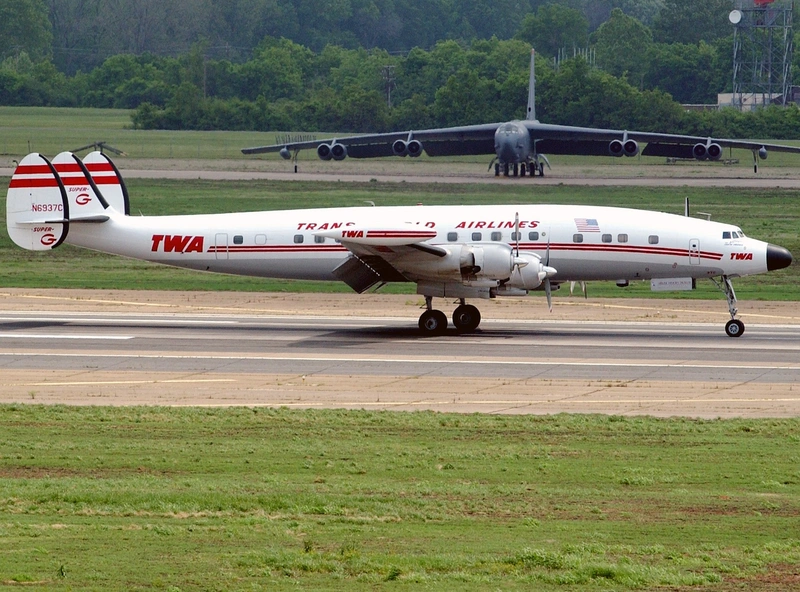
TWA stood for Trans World Airlines. It was one of the most famous airlines in the United States for most of the 20th century.
It started in 1930 under the name Transcontinental and Western Air. The airline flew passengers across the country and later expanded to international routes, including flights across the Atlantic to Europe.
One of the biggest names connected to TWA is Howard Hughes. He was a wealthy businessman and aviation enthusiast who played a big role in shaping the airline during the 1940s and 1950s. Under his influence, TWA began flying one of the most famous planes of that era, the Lockheed Constellation. The Constellation was known for its unusual curved shape and triple tail fins. It became a symbol of what air travel could look and feel like.
In 1962, TWA opened a new terminal at JFK Airport in New York. The building was designed by architect Eero Saarinen and looked like nothing else at the airport. The sweeping roof and open interior made it one of the most talked-about buildings of its time. The terminal sat empty for years after TWA shut down but reopened in 2019 as the TWA Hotel.
TWA was one of the glamorous airlines of the Jet Age. Flying in the 1950s and 1960s was an event. People dressed up for flights. TWA leaned into that image with stylish cabin design and a strong brand.
By the 1990s the airline was struggling with debt and had a hard time competing with larger rivals. TWA went bankrupt. In January 2001, American Airlines announced it would buy most of TWA's assets. The deal closed later that year and TWA stopped flying as its own airline.
The TWA Hotel, built inside the old Saarinen terminal at JFK, is the main thing that keeps the brand visible today.
Timeline
-
1930
- Transcontinental and Western Air is formed through the merger of Western Air Express and Transcontinental Air Transport. It starts flying passengers across the country.
-
1962
- The TWA Flight Center opens at JFK Airport. Designed by architect Eero Saarinen, it becomes one of the most famous airport buildings ever built.
-
1990s
- TWA struggles with debt and heavy competition. The airline goes through bankruptcy and has a hard time recovering as a smaller player in a tough market.
-
2001
- American Airlines acquires most of TWA's assets in January. TWA stops flying as its own airline in 2001.
-
2019
- The old TWA Flight Center at JFK reopens as the TWA Hotel, keeping the airline's name and design legacy alive.
-
1930s-1940s
- The airline grows into a major coast-to-coast carrier, with a well-known public image.
-
1940s-1950s
- Howard Hughes shapes the airline's direction during this period. TWA flies the Lockheed Constellation, one of the most famous passenger planes of the era.
-
1950s-1960s
- TWA becomes one of the main US airlines flying international Jet Age routes, including transatlantic service to Europe.
Frequently Asked Questions
What did TWA stand for?
TWA stood for Trans World Airlines. It started in 1930 as Transcontinental and Western Air and later took on the Trans World Airlines name.
When did TWA end?
TWA stopped flying as its own airline in 2001 after American Airlines bought most of its assets.
Why did TWA fail?
TWA built up a lot of debt over the years and had a hard time competing with larger airlines that had more money and more routes. By 2001 the company was in bankruptcy and American Airlines stepped in to buy most of what was left.
Was Howard Hughes involved with TWA?
Yes. Howard Hughes was closely connected to TWA and helped shape one of the most well-known periods in the airline's history during the 1940s and 1950s.
What is the TWA Hotel?
The TWA Hotel is a hotel built inside the former TWA Flight Center at JFK Airport. The original terminal was designed by architect Eero Saarinen and opened in 1962. It reopened as a hotel in 2019.
What was the Lockheed Constellation?
The Lockheed Constellation was one of TWA's most famous planes, known for its curved shape and triple tail fins. Howard Hughes helped make it central to the airline's image during the 1940s and 1950s.
What made the TWA Flight Center special?
The TWA Flight Center opened at JFK Airport in 1962. Designed by architect Eero Saarinen, its sweeping roof and open interior made it one of the most talked-about airport buildings of its time.
Is TWA still around today?
Not as an independent airline. American Airlines acquired most of its assets in 2001. The TWA name lives on mainly through the TWA Hotel at JFK.
Why do people still remember TWA fondly?
TWA is remembered as one of the most glamorous airlines of the Jet Age — known for stylish cabin design, international routes, and its long association with Howard Hughes.
Interested in more vanished airline brands? Check out Pan American , Eastern Airlines and Braniff International Airways
About Vanished Brands
Vanished Brands is a nostalgia-centric website that researches the history and archives of a wide variety of discontinued products. We develop brand content and timelines based on publicly available information. Check us out on Pinterest and Bluesky.
Explore More
Learn more
Continue on Vanished Brands
Spotted an error or have additional sources? Get in touch and we’ll review it.