Is Sparks (Original Caffeinated Formula) Discontinued? What Happened?

By Vanished Brands Research Desk
Fate: Reformulated in late 2008 after MillerCoors reached a settlement with state regulators. The original formula lost its caffeine, taurine, guarana, and ginseng, which ended the version most people remember.
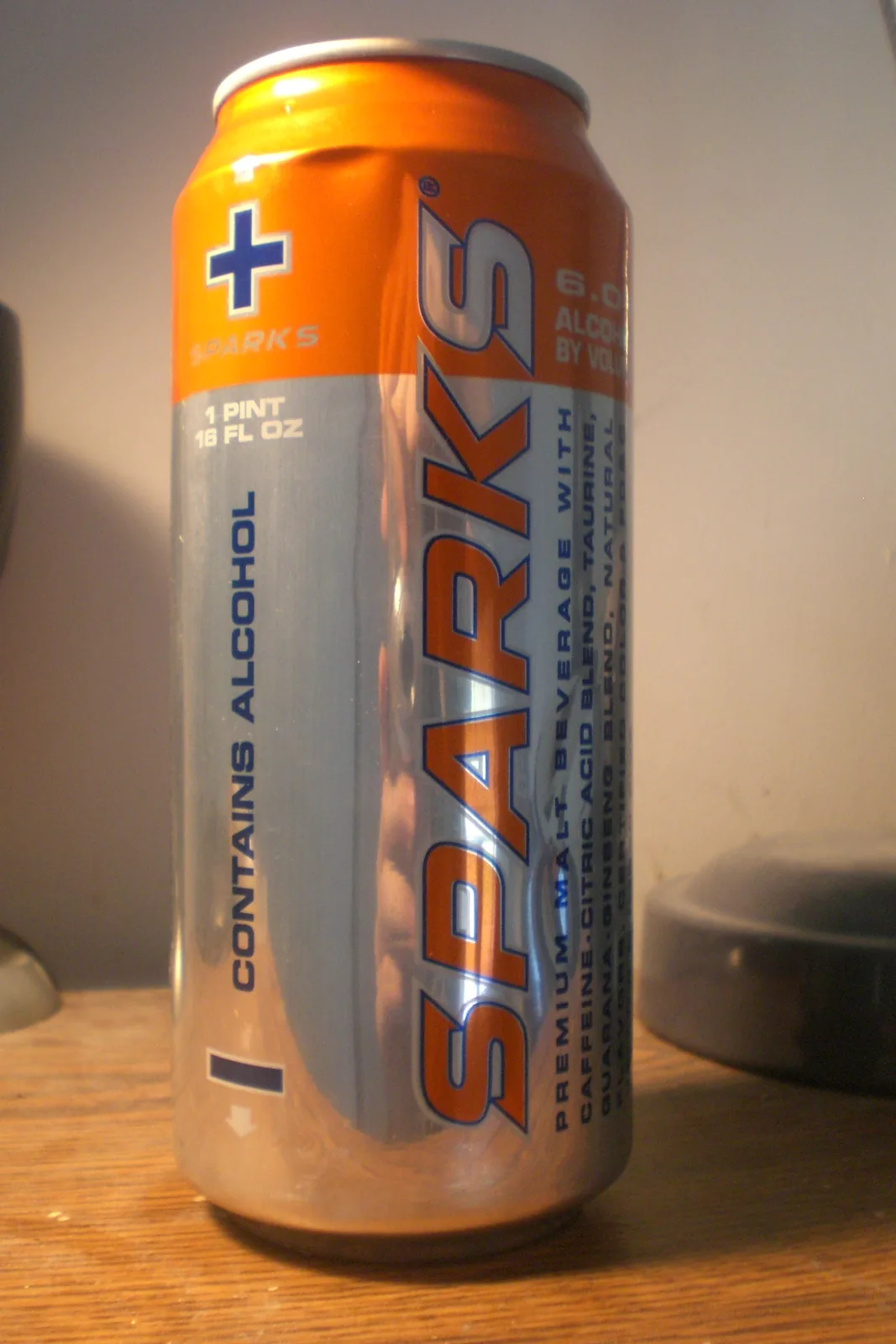
When Sparks hit shelves in 2002, it didn’t look like anything else in the alcohol aisle. The tall orange can and battery‑inspired graphics all signaled that this drink was trying something new. And it did. Sparks mixed alcohol and energy drink ingredients: caffeine, taurine, guarana, and ginseng. It was one of the first products in the U.S. to blend those two worlds together.
The drink was aimed squarely at nightlife. The original version came in at around 6% ABV, stronger than people expected from something that looked so bright and playful. That mix of alcohol and stimulants made Sparks feel like a party drink with an extra kick, designed for long nights and loud rooms.
By 2006, Sparks had become one of the best‑known names in the caffeinated‑alcohol category. Miller bought Sparks and Steel Reserve from McKenzie River as part of a larger deal, giving the brand a major corporate home and even more visibility.
But the attention came with pushback. Health advocates and state regulators argued that mixing alcohol with stimulants could make drinkers feel more awake than they actually were. That could make it easier to drink more and misjudge how impaired they were. Critics also pointed to the bright and colorful packaging, arguing it was too appealing to younger drinkers.
In December 2008, MillerCoors reached a settlement with 13 states and the city of San Francisco. The company agreed to remove the caffeine, taurine, guarana, and ginseng from Sparks and change the branding and marketing. Overnight, the original formula was gone. The brand continued, but the version people remembered ended.
Sparks came before the Four Loko headlines, but it set the stage for everything that followed. Its rise, controversy, and forced reformulation showed regulators exactly where the caffeinated‑alcohol trend was heading. In a way, Sparks was the warning shot, opening the door to a national debate about this unique category of drinks.
Timeline
-
2002
- Sparks launches in the U.S. as a caffeinated alcoholic malt beverage
-
2004
- The drink gains wider attention through its bold can design and high-energy branding
-
2006
- Miller agrees to buy Sparks and Steel Reserve from McKenzie River
-
2008
- September — Consumer advocates file suit over the risks of caffeinated alcohol products
- December — MillerCoors settles with 13 states and San Francisco; agrees to remove caffeine, taurine, guarana, and ginseng from Sparks
-
2009
- The original caffeinated formula is gone; the brand continues only in reformulated form
Frequently Asked Questions
Was Sparks banned?
Not exactly. The original caffeinated formula was ended through a regulatory settlement in late 2008. The brand stayed around in a changed form, but the version most people remember was not.
Why was Sparks controversial?
Because it mixed alcohol with stimulant ingredients and used energy-drink-style branding. Critics said that combination could make people feel less impaired than they really were.
What made the original Sparks different?
The original version included caffeine, taurine, guarana, and ginseng. Once those were removed as part of the 2008 settlement, Sparks lost what made it stand out.
Did Sparks come before Four Loko?
Yes. Sparks was already on the market years before Four Loko became the most well-known caffeinated alcohol brand.
What do people remember most about original Sparks?
Usually the orange can, the battery-like design, and the feeling that it was a mix between an energy drink and a malt liquor.
Interested in more controversial 2000s drinks? Check out Four Loko (Original Formula) and Tilt (Original Formula)
About Vanished Brands
Vanished Brands is a nostalgia-centric website that researches the history and archives of a wide variety of discontinued products. We develop brand content and timelines based on publicly available information. Check us out on Pinterest and Bluesky.
Explore More
Learn more
Continue on Vanished Brands
Spotted an error or have additional sources? Get in touch and we’ll review it.