Is Sega Dreamcast Discontinued? What Happened?

By Vanished Brands Research Desk
Fate: Sega stopped making the Dreamcast on March 31, 2001, and left the console hardware business entirely. The company went on to make games for other companies’ platforms instead.
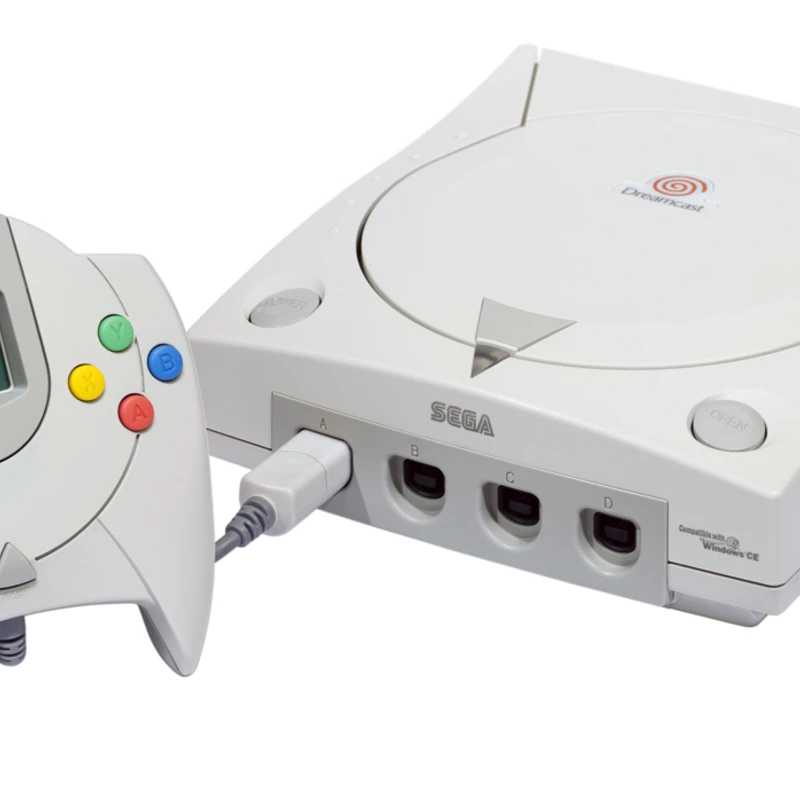
Sega Dreamcast was Sega’s last home video game console. It launched in Japan on November 27, 1998, and in North America on September 9, 1999. That launch date, known as 9/9/99, became one of the most recognized dates in gaming history.
The Dreamcast was the first home console to ship with a built-in modem. That meant players could connect to the internet and play games online without buying any extra hardware. Sega set up its own internet service called SegaNet to make online matchmaking easier. Online play on a home console was still a new idea at the time, and the Dreamcast was ahead of most of its competition on that front.
The console also came with a memory card called the VMU, which stood for Visual Memory Unit. The VMU had a small screen and buttons built into it, so it could work as a standalone mini-device. Some games put extra information on the VMU screen while you played, and others let you play mini-games on it away from the TV.
The game library was strong. Soulcalibur, Crazy Taxi, Jet Set Radio, Shenmue, NFL 2K, and Phantasy Star Online were all well-regarded titles. Phantasy Star Online was one of the first games to let console players connect and explore an online world together. Jet Set Radio used a visual style called cel-shading that made the graphics look like a cartoon, which was new at the time.
The Dreamcast ran into problems it could not overcome. In 1999, Sony announced the PlayStation 2, which could also play DVD movies. The Dreamcast could not play DVDs, and that gap mattered to a lot of buyers. Third-party support was uneven, partly because some developers were wary about committing to a platform made by a company that had lost money on its previous console, the Saturn. EA, one of the biggest game publishers in the world, refused to make games for the Dreamcast after Sega turned down EA’s demand for exclusive rights to all sports titles on the platform. That meant no Madden, no FIFA, and no other EA Sports games.
Sega was also selling each Dreamcast unit at a loss, hoping to make the money back on game sales. That model required strong sales momentum, which the PS2 announcement disrupted. Piracy spread quickly too, because it was easy to copy and play games without modifying the hardware.
On January 31, 2001, Sega announced it would stop making the Dreamcast. Production ended on March 31, 2001. Sega left the console hardware business and went on to make games for other companies’ platforms. The Dreamcast sold around 9 million units worldwide, which was not enough to keep it going, but it built a devoted following that still celebrates the console today. Its influence still shows up now in the use of bold, cel-shaded animation art and in the online console gaming it helped pioneer.
Timeline
-
1998
- November 27 — Dreamcast launches in Japan, becoming the first sixth-generation home console on the market.
-
1999
- September 9 — Dreamcast launches in North America on September 9, 1999 — a date marketed as 9/9/99. Launch titles include Soulcalibur and NFL 2K.
- October 14 — Dreamcast launches in Europe.
-
2000
- December 21 — Phantasy Star Online launches in Japan, one of the first online role-playing games playable on a home console. The North American version follows in 2001.
-
2001
- January 31 — Sega announces it will stop making the Dreamcast and leave the console hardware business. Production ends March 31, 2001.
Frequently Asked Questions
What was the Sega Dreamcast?
The Dreamcast was Sega's last home video game console. It launched in Japan in 1998 and in North America on 9/9/99 — a date many gamers still remember.
Why was the Dreamcast ahead of its time?
It was the first home console with a built‑in modem. Players could go online right out of the box. Sega even created its own service, SegaNet, to make online play easier.
What was the VMU?
The VMU (Visual Memory Unit) was the Dreamcast's memory card. It had a tiny screen and buttons, so it could act like a mini handheld. Some games showed extra info on it, and others let you play small games on the go.
What were the most popular Dreamcast games?
Fans loved Soulcalibur, Crazy Taxi, Jet Set Radio, Shenmue, NFL 2K, and Phantasy Star Online. Jet Set Radio used cel‑shading, a cartoon‑like art style that was new at the time. Phantasy Star Online let console players explore an online world together.
Why did the Dreamcast struggle?
Sony announced the PlayStation 2, which could play DVDs. Some developers were hesitant to support Sega after the Saturn's failure. EA refused to make games for the system, so there was no Madden or FIFA. Sega sold the console at a loss and needed strong sales to recover. Piracy spread quickly because games were easy to copy.
When did Sega stop making the Dreamcast?
Sega announced the end of production on January 31, 2001. Manufacturing stopped on March 31, 2001.
How many Dreamcast consoles were sold?
Around 9 million worldwide — not enough to keep Sega in the hardware business.
What happened to Sega after the Dreamcast?
Sega left the console market and became a third‑party game developer, making games for other companies' systems.
Why do people still love the Dreamcast?
It was bold, creative, and ahead of its time. Its online features, unique accessories, and standout games built a loyal fan base that still celebrates the console today.
Want to get in on more tech from the past? Check out Palm and Zune
About Vanished Brands
Vanished Brands is a nostalgia-centric website that researches the history and archives of a wide variety of discontinued products. We develop brand content and timelines based on publicly available information. Check us out on Pinterest and Bluesky.
Explore More
Learn more
Continue on Vanished Brands
Spotted an error or have additional sources? Get in touch and we’ll review it.