Is Palm Discontinued? What Happened?

By Vanished Brands Research Desk
Fate: HP acquired Palm in 2010, then wound down webOS hardware in 2011 after weak commercial performance.
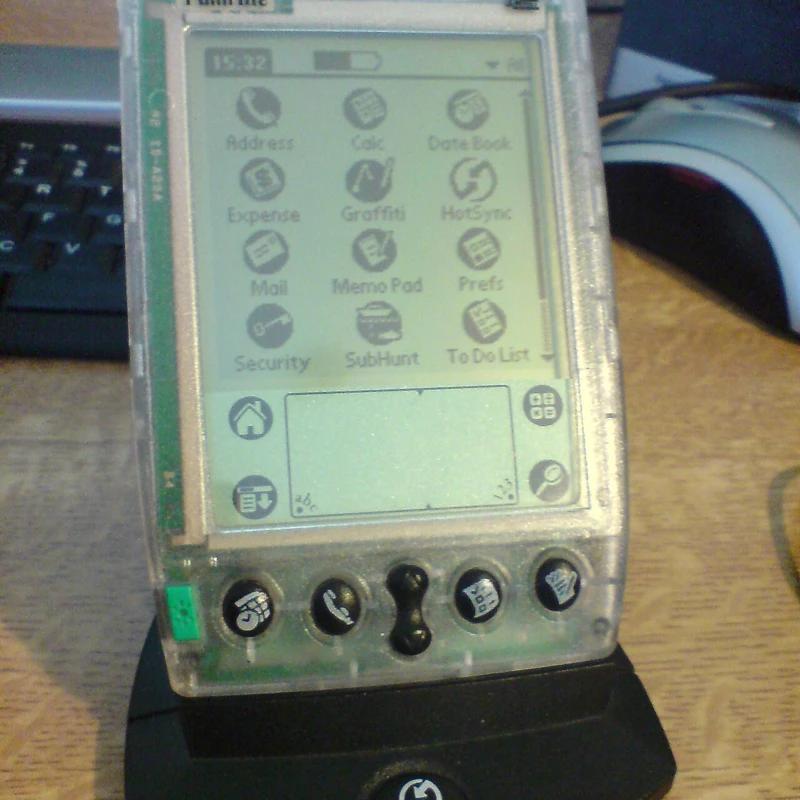
Palm solved a particular problem that earlier handheld computers never quite cracked. Instead of trying to replace the desktop computer, Palm designed a small device that worked with it. That simple shift made the PalmPilot feel practical, fast, and easy to understand when most handheld gadgets still felt experimental or overly complicated.
The company defined what mobile computing looked like before smartphones existed. Palm devices focused on quick input, instant access to personal information, and reliable syncing with a computer. You could jot down notes, check your calendar, store contacts, and keep lists without waiting for apps to load or dealing with confusing menus. That was enough to make Palm one of the most influential names in consumer electronics through the early 2000s.
Palm's success grew as it expanded from pocket organizers into phones. The Treo line showed that a phone could be a serious work tool. It combined email, a keyboard, and organizer features in a way that felt ahead of its time. Palm introduced webOS in 2009, a mobile operating system built around fluid gestures and automatic integration of online accounts. Many reviewers saw it as one of the most modern and intuitive mobile interfaces of its era.
But the same forces that made Palm a pioneer also made the company vulnerable. The smartphone market quickly shifted toward large-scale ecosystems. Having a great device no longer guaranteed a win. It required carrier partnerships, huge marketing budgets, strong developer support, and a steady pipeline of hardware and software updates. Palm had strong ideas but not the resources to compete with companies like Apple, Google, and later Samsung.
In 2010, HP acquired Palm, mainly for webOS, hoping to use the software across phones, tablets, and even printers. The strategy never gained momentum. In 2011, HP shut down its webOS hardware efforts, effectively ending the original Palm story.
Palm's legacy lives on through the ideas it introduced: simple mobile interfaces, fast access to personal information, smooth multitasking, and the belief that small devices should reduce friction rather than add it.
Timeline
-
1992
- January — Palm Computing is founded by Jeff Hawkins.
-
1995
- September — U.S. Robotics agrees to acquire Palm for about 44 million dollars.
-
1996
- March — The PalmPilot launches and becomes one of the first widely successful handheld computers.
-
1997
- June — 3Com acquires U.S. Robotics, bringing Palm under 3Com ownership.
-
1998
- June — Palm founders leave to form Handspring, creating a future rival built around Palm OS devices.
-
2000
- March — Palm is spun off by 3Com in a high profile public offering during the dot com era.
-
2003
- October — Palm acquires Handspring, bringing the Treo smartphone line back under Palm control.
-
2009
- June 6 — Palm launches the Pre with webOS, introducing card-based multitasking and Synergy account integration.
-
2010
- April 28 — HP acquires Palm for approximately 1.2 billion dollars.
-
2011
- August 18 — HP discontinues webOS device operations, effectively ending Palm hardware as an active platform strategy.
Frequently Asked Questions
What was Palm?
Palm was a major handheld computing company best known for the PalmPilot, Treo, and Palm Pre. It became one of the defining brands of the PDA era and later moved into smartphones.
When was Palm founded?
Palm was founded in 1992. Jeff Hawkins started the company, and Donna Dubinsky and Ed Colligan became key leaders in building it into a major handheld computing brand.
Why was Palm important?
Palm proved that a handheld device could succeed by being fast, simple, and tightly connected to a desktop computer. Later, its Treo line helped shape early smartphones, and webOS introduced interface ideas that influenced later mobile software.
What happened to Palm?
HP acquired Palm in 2010 for about 1.2 billion dollars. HP later ended webOS device operations in August 2011, which effectively ended Palm as an active hardware platform.
Why did Palm fail?
Palm struggled in the modern smartphone era because strong hardware ideas were no longer enough on their own. The company faced major disadvantages in app selection, developer support, carrier distribution, marketing scale, and long-term platform investment compared with Apple and Android vendors.
What was webOS?
webOS was Palm's mobile operating system introduced with the Palm Pre in 2009. It became known for card-based multitasking, integrated account management, and a polished interface that many reviewers considered ahead of its time.
Is Palm still around today?
The original Palm company is not. HP acquired Palm in 2010, ended webOS hardware in 2011, sold webOS to LG in 2013, and later sold Palm related patents to Qualcomm. The original Palm era is over, even though the brand name later reappeared on unrelated devices.
About Vanished Brands
Vanished Brands is a nostalgia-centric website that researches the history and archives of a wide variety of discontinued products. We develop brand content and timelines based on publicly available information. Check us out on Pinterest and Bluesky.
Explore More
Learn more
Continue on Vanished Brands
Spotted an error or have additional sources? Get in touch and we’ll review it.