Are Jujubes Discontinued? What Really Happened to the Classic Movie Candy
Jujubes became nearly impossible to find after years of ownership changes and limited production. Here's the real story behind the classic movie theater candy.

By Vanished Brands Research Desk
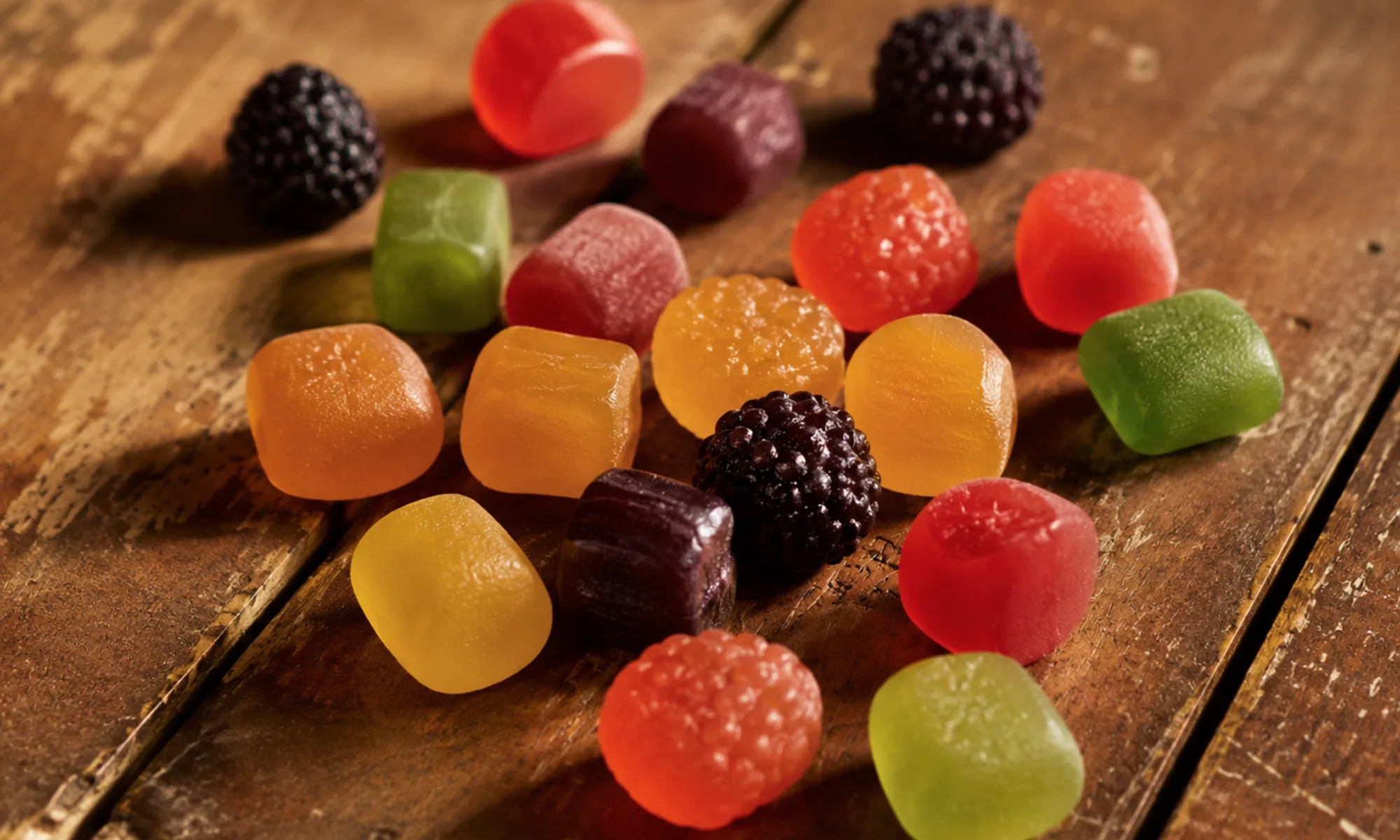
Fate: Jujubes became very hard to find after years of ownership changes and limited production, making them effectively gone for most shoppers.
Quick Answer: Jujubes still exist in small quantities under Ferrara Candy Company. After passing through several owners, production became very limited and the candy quietly faded from stores and movie theaters. Finding a box today takes some real effort.
Quick Facts
- Launch Year: 1920
- Availability: Faded from mainstream retail by the mid-2000s
- Country of Origin: United States
Quick Jump
- What were Jujubes?
- Why did Jujubes become hard to find?
- Timeline
- Can you still find Jujubes today?
- Why people still miss Jujubes
- Frequently asked questions
- Summary
A Fun, Friendly Look at the History of Jujubes
Jujubes were once a classic movie-theater candy. They came in a bright yellow box, chewy and colorful, and one box could last through a whole film. That was the whole point.
The candy was created by the Heide Candy Company in 1920. The name came from the jujube fruit, but the candy had its own flavors: cherry, lemon, lime, orange, and violet.
Their texture was firm and sticky. That made them famous for getting stuck in teeth and for lasting forever. Some people loved that. Others learned to eat them carefully.
What Made Them Special
Jujubes were a movie-theater tradition. For decades, that bright yellow box sat right next to the popcorn and Milk Duds at the concession stand.
One box could last a two-hour film. That was part of the appeal. You didn’t rush through them. You worked for them.
The flavors were simple:
- 🟡 Lemon
- 🟢 Lime
- 🟠 Orange
- 🔴 Cherry
- 🟣 Violet
The violet flavor was a lot. People either loved it or skipped it entirely.
The Texture Was Polarizing
Jujubes were firm, dense, and chewy. Some people joked that they were tough enough to pull out a filling.
That reputation followed the candy everywhere. It became part of the joke, and part of the charm.
Why Did Jujubes Become So Hard to Find?
It was a slow fade, driven mostly by ownership changes and shrinking support.
1. Ownership Changed Many Times
Every time the brand changed hands, it got a little less attention.
Heide Candy Company (1920–1995)
Heide created Jujubes and built them into a theater staple. Under Heide, the candy had a real identity and a loyal following.
Hershey (1995–2002)
Hershey acquired Heide in 1995. Jujubes stayed in production, but they were never a priority brand. Big chocolate companies don’t always know what to do with old-school chewy candy.
Farley’s & Sathers (2002–2012)
Hershey sold Jujubes and other Heide brands to Farley’s & Sathers in 2002. Distribution got smaller and the candy became harder to find in mainstream stores.
Ferrara Candy Company (2012–present)
Farley’s & Sathers merged with Ferrara Pan in 2012. Jujubes landed fully under Ferrara by 2017. Production continued, but only in very small amounts.
Each handoff meant less marketing and less shelf space.
2. No Marketing Support
No one was really fighting for Jujubes.
Each new owner had a full portfolio of brands to manage. Jujubes was a legacy product with an aging fan base. Marketing dried up entirely. Once people stopped seeing them, stores stopped ordering them.
3. Candy Tastes Changed
The candy world changed a lot between the 1920s and the 2000s. Consumers moved toward softer textures and brighter flavors. Jujubes were firm and old-fashioned. They demanded effort.
That worked for decades, but it worked less well in a world full of Sour Patch Kids and Trolli worms. By the time a new generation was buying their own candy, Jujubes had mostly left the shelves.
Timeline of Jujubes
1920
Jujubes are created by the Heide Candy Company and quickly become a popular movie-theater candy across the United States.
1995
Hershey acquires the Heide Candy Company, including Jujubes. Production continues, but the brand receives limited attention under its new owner.
2002
Hershey sells Jujubes and other Heide brands to Farley’s & Sathers. Distribution begins to shrink and the candy becomes harder to find in mainstream retail.
2005
Jujubes become noticeably scarce. Movie theaters begin dropping the candy from concession stands.
2012
Farley’s & Sathers merges with Ferrara Pan, forming Ferrara Candy Company. Ownership of Jujubes shifts again.
2017
Jujubes land fully under Ferrara Candy Company. Production remains very limited.
2018–present
Limited production continues under Ferrara. Most fans describe Jujubes as effectively discontinued because they are so rarely found in stores.
Can You Still Find Jujubes Today?
Ferrara Candy Company still produces them, but production is so limited that most people will never see them on a store shelf. Online is your best bet. Amazon, Candy Warehouse, and specialty retro candy stores are the most reliable places to look.
If you order online, check the date and the seller’s reviews. Limited production means limited freshness, and old Jujubes are even chewier than fresh ones.
Why People Still Miss Jujubes
1. The Movie Theater Connection
Jujubes were part of the movie-going ritual. Dark theaters and that bright yellow box. For a lot of people, Jujubes are the memory of going to the movies as a kid.
Nothing else has filled that specific spot.
2. The Chewing Was Part of the Fun
Other candies were easy. Jujubes were a workout. You bought one box and you were set for the whole film. There was something satisfying about that slow, steady chew.
3. The Flavors Were One of a Kind
Violet-flavored candy doesn’t really exist anywhere else. Neither does that exact combination of dense chewiness and quiet fruit flavor. Jujubes were more stubborn than anything on shelves today.
Some people prefer stubborn.
4. The Nostalgia Is Real
For Boomers and Gen X, Jujubes bring back a very specific kind of memory. Not just of the candy, but of who they were with and what was on screen. That’s a hard thing to replace with a bag of Haribo.
Frequently Asked Questions
Who made Jujubes originally?
They were first made by the Heide Candy Company in 1920.
What exactly were Jujubes?
Jujubes were chewy, fruit-flavored candies sold in a small yellow theater box. They were known for their firm texture and tendency to stick to your teeth. Flavors included cherry, lemon, lime, orange, and violet.
When did Jujubes disappear from stores?
No single date marks their exit. They became very hard to find starting in the mid-2000s, after the brand moved from Hershey to Farley’s & Sathers and distribution shrank.
Where were Jujubes most popular?
They were especially popular in U.S. movie theaters for many decades. The small theater-box format made them a concession stand staple for generations.
Why did Jujubes become so hard to find?
Multiple ownership changes reduced marketing and distribution support over time. Consumer tastes also shifted toward softer, easier-to-eat candy, and Jujubes never made that leap.
How can I find Jujubes today?
Your best chance is online. Try Amazon, Candy Warehouse, or specialty retro candy stores. Ferrara Candy Company still produces them in small amounts.
Explore More
- Ferrara Candy Company — ferrara.com — Current owner of the Jujubes brand
- Candy Warehouse — candywarehouse.com — One of the few retailers that still stocks Jujubes
- Wikipedia: Jujubes (candy) — en.wikipedia.org — Overview of the candy’s history and background
Summary
Are Jujubes discontinued?
The short answer: Technically still in production, but nearly impossible to find.
Key facts:
- Created in 1920 by the Heide Candy Company
- A movie-theater staple for decades
- Changed ownership four times: Heide → Hershey → Farley’s & Sathers → Ferrara
- Still produced by Ferrara, but in very limited quantities
- They faded out quietly without a formal announcement
The legacy: Jujubes lasted over 100 years. That’s remarkable for a candy that ran without a massive marketing budget or a famous face. They survived on nostalgia, theater culture, and the loyalty of people who loved their stubborn, jaw-working chew. For a lot of people, finding a box today would feel like finding something from another era. Which, in a way, it would be.
Keep Exploring: