Is Jolt Cola Discontinued? What Happened?

By Vanished Brands Research Desk
Fate: Killed in 2009 when a self-authorized deal for 90 million custom cans left the company unable to pay its supplier. Founder C.J. Rapp spent eight years in court fighting the investor takeover that preceded the bankruptcy. Relaunched at Dollar General in 2017, gone again by 2019, then reborn in 2025 by Redcon1 as a zero-sugar energy drink with four times the caffeine of a Coke.
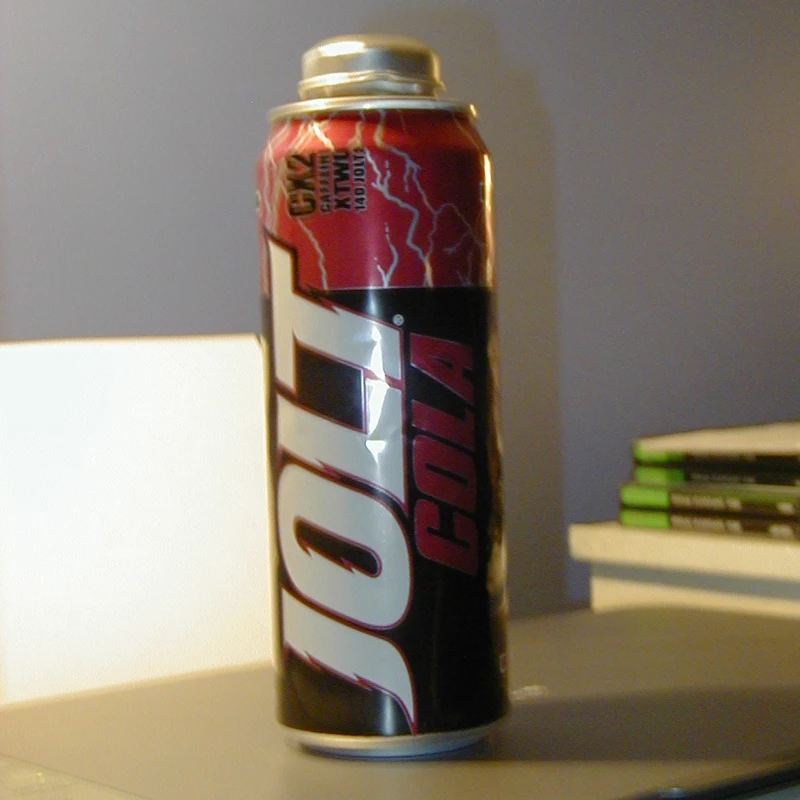
Jolt Cola was the caffeinated outlier of the cola aisle. Launched in 1985 with the winkingly honest slogan “All the sugar and twice the caffeine,” it became a cult favorite among students, coders, gamers, and night-shift workers who treated it as both beverage and badge. Jolt leaned into that identity with loud packaging, tongue-in-cheek ads, and shelf placements near campus bookstores, computer shops, and convenience stores.
The brand expanded into flavors and line extensions through the late 1980s and 1990s as energy needs and energy marketing grew. But distribution was uneven, competition intensified from mainstream colas and the rising energy drink category, and small-brand economics in grocery became tougher. The company behind Jolt ultimately filed for Chapter 11 in 2009, and U.S. distribution of the classic cola wound down around 2010.
Years later, Jolt returned in a limited relaunch—a nostalgia play with tall cans and throwback graphics, earning a brief second life online and in select discount chains before fading again. Today, Jolt survives mostly in memory and memorabilia, a shorthand for the pre-energy-drink era when a loud can and extra caffeine could turn a soda into a subculture staple.
Timeline
-
1985
- Brand launches with “All the sugar and twice the caffeine” positioning
-
1990s
- Cult following grows among students, coders, and gamers with flavor extensions roll out
-
2005
- Rapp commits to purchasing ninety million resealable battery-shaped cans from manufacturer Rexam without informing the board
-
2008
- Rapp sells controlling stake to Emigrant Capital, loses CEO position. Recession and energy drink competition gut sales
-
2009
- Company files for Chapter 11 bankruptcy
-
2010
- U.S. distribution of the classic cola ends
-
2017
- Limited relaunch with nostalgia packaging, then later fades from shelves again
Frequently Asked Questions
What was Jolt Cola?
Jolt Cola was a high‑caffeine soda launched in 1985 and became a cult favorite. Its slogan was "All the sugar and twice the caffeine."
Who drank Jolt Cola?
Students, coders, gamers, and night‑shift workers loved it. For many people, it was both a drink and a badge of identity.
Why did Jolt stand out?
It leaned into its extreme image with loud cans, bold ads, and placements near campuses and computer shops. It promised more energy than regular cola.
Did Jolt come in other flavors?
Yes. Through the late '80s and '90s, the brand added new flavors and line extensions as energy marketing grew.
Why did Jolt decline?
Distribution was uneven, competition increased, and grocery economics got tougher for small brands. Energy drinks like Red Bull and Monster also changed the market.
When did Jolt disappear the first time?
The company filed for Chapter 11 in 2009, and U.S. distribution faded around 2010.
Was Jolt ever brought back?
Yes. It returned briefly in a nostalgia‑driven relaunch with tall cans and retro graphics. It showed up online and in some discount chains before fading again.
How is Jolt remembered today?
It's remembered as a pre‑energy‑drink icon — a loud can with extra caffeine that became part of student and tech culture long before modern energy drinks took over.
About Vanished Brands
Vanished Brands is a nostalgia-centric website that researches the history and archives of a wide variety of discontinued products. We develop brand content and timelines based on publicly available information. Check us out on Pinterest and Bluesky.
Explore More
Learn more
Continue on Vanished Brands
Spotted an error or have additional sources? Get in touch and we’ll review it.