Was Four Loko Banned? What Happened to the Original Caffeinated Formula (2026)
Four Loko was not completely banned. The original caffeinated formula disappeared after FDA action in 2010, while the brand still exists today without caffeine.

By Vanished Brands Research Desk
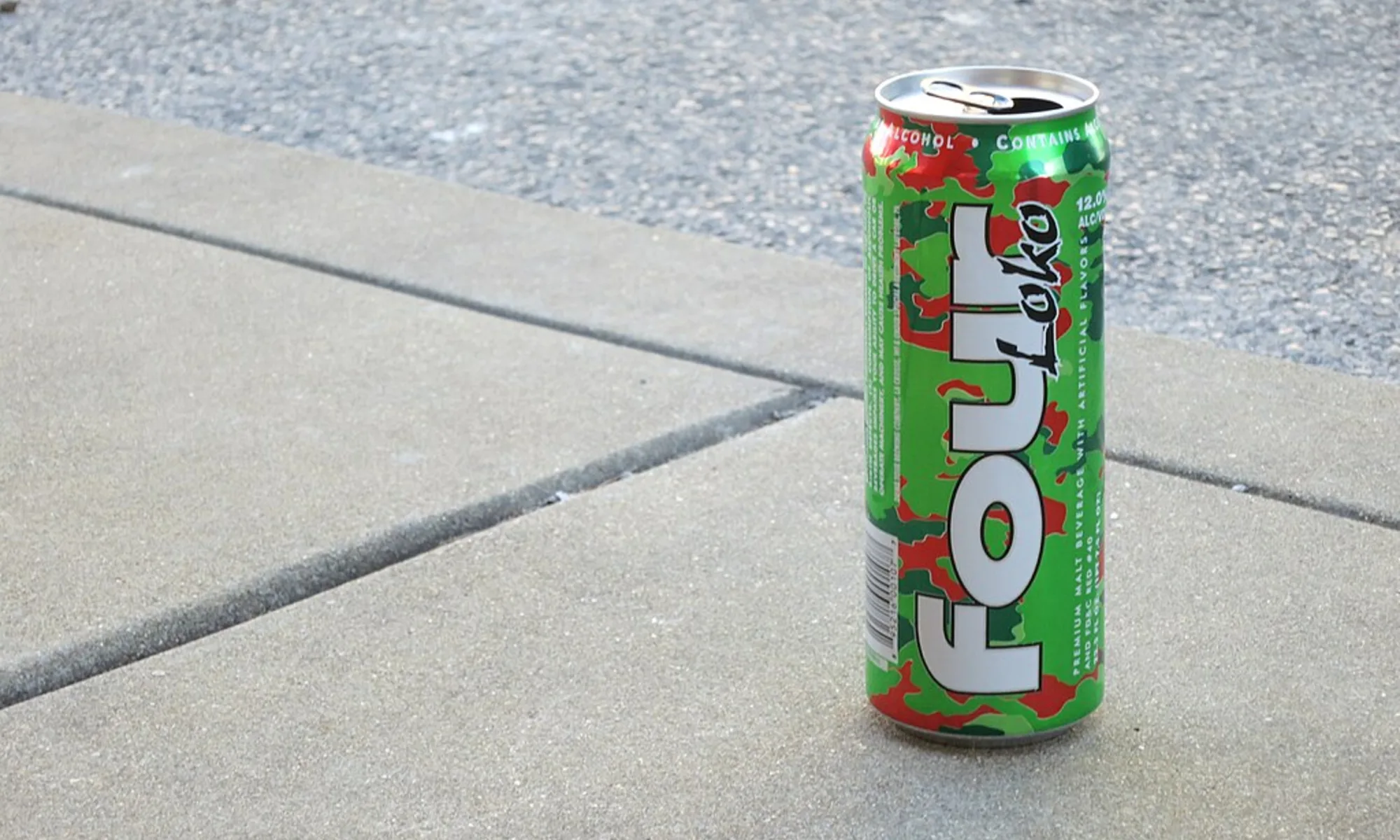
TL;DR: The original Four Loko formula was pulled from the market in late 2010 after the FDA said caffeine added to alcoholic malt beverages was unsafe. Four Loko still exists today, but the caffeinated version is gone. The current drink is a non-caffeinated flavored malt beverage.
Quick Answer: The original caffeinated Four Loko disappeared in late 2010 after FDA action against caffeinated alcoholic malt beverages. The brand still exists, but without caffeine, guarana, or taurine.
Quick Jump
- What happened to Four Loko?
- What was the original formula?
- Why did it get so popular?
- The incidents and public backlash
- What the FDA actually did
- What Four Loko is today
- Why people still remember it
- FAQs
- Summary
What Happened to Four Loko?
The short answer is simple: the original version of Four Loko disappeared in late 2010 because regulators decided caffeinated alcoholic malt beverages were unsafe.
The brand itself did not die. What disappeared was the original formula that mixed alcohol with caffeine and other stimulant ingredients.
That distinction matters.
A lot of people still say “Four Loko was banned,” but the more accurate version is this:
- the FDA did not ban the brand name
- it moved against the caffeinated formula
- Four Loko survived by reformulating
So when people remember “old Four Loko,” they are usually talking about the pre-2010 version, not the drink that is sold now.
What Was the Original Four Loko Formula?
The original Four Loko was a flavored malt beverage that combined:
- alcohol
- caffeine
- guarana
- taurine
- sweet fruit flavoring
That combination is what made it famous.
It was not just strong. It was confusing to the body in a way that worried public health officials. Alcohol is a depressant. Caffeine is a stimulant. Critics argued that putting them together could make drinkers feel more awake and in control than they actually were.
That concern became the center of the controversy.
One reason the drink spread so quickly is that it offered several things at once:
- high alcohol in one can
- sweet flavors that were easy to drink
- a party image
- stimulant effects that made it feel different from ordinary alcohol
That made it memorable, but it also made it risky.
Why Did Four Loko Become So Popular?
Four Loko arrived at the right moment for a product like this.
In the late 2000s:
- energy drinks were booming
- flavored malt beverages were already popular
- college drinking culture spread quickly online
- bright, loud brands had an easier time going viral
Four Loko fit all of that.
It was cheap, easy to recognize, and easy to talk about. It quickly became part of campus and party culture, especially among young drinkers who were already used to energy drink branding.
A lot of products get popular because they taste good. Four Loko got popular because it felt like an event.
That difference is important. It was not just another drink. It was a reputation product.
The Incidents and Public Backlash
By 2010, Four Loko had become more than a party drink. It had become a public health story.
The most important incident in the backlash happened in Washington state, where officials linked alcoholic energy drinks to the hospitalization of nine college students after a party near Central Washington University. Public reporting said their blood alcohol levels ranged from 0.123 to 0.35, with the higher end considered potentially fatal.
Other colleges also began issuing warnings or restrictions. Boston University warned students in November 2010 that the combination of alcohol and caffeine was dangerous, and similar warnings spread across campuses.
This is the part many quick retellings miss:
The backlash was not only about one product. It was about a broader category of caffeinated alcoholic drinks. Four Loko just became the symbol everyone remembered.
What the FDA Actually Did
The FDA action came on November 17, 2010.
That day, the FDA sent warning letters to four manufacturers, including Phusion Projects, saying the caffeine added to their alcoholic malt beverages was an unsafe food additive. The agency said further action, including seizure, was possible under federal law.
That is the key factual point.
The FDA did not simply say “we do not like Four Loko.” It said the specific practice of adding caffeine to these alcoholic malt beverages was unsafe.
That forced the category to change quickly.
Within weeks, manufacturers began removing stimulant ingredients. Four Loko reformulated, and the original caffeinated version disappeared from shelves.
So the cleanest way to explain the turning point is:
- November 2010 = FDA warning letters
- late 2010 = reformulation
- after that = original Four Loko was gone
What Four Loko Is Today
Four Loko still exists.
But it is not the same product people are usually talking about when they remember the controversy.
The current version is:
- a flavored malt beverage
- alcoholic
- non-caffeinated
- no longer built around the stimulant-plus-alcohol formula that made the original infamous
That means the answer to “Is Four Loko still around?” is yes.
The answer to “Is the original Four Loko still around?” is no.
That split is one of the most important things to make clear for readers, because a lot of people still confuse the current brand with the old formula.
Why People Still Remember Four Loko
Four Loko is remembered because it became bigger than the product itself.
It came to represent:
- late-2000s party culture
- the era of shock-value beverage branding
- a time when companies pushed the limits of what a mass-market drink could be
- a regulatory moment that ended a whole category
That last part matters.
Four Loko is not memorable only because it was wild. It is memorable because it marked the point where regulators stepped in and said the product category had gone too far.
That gave it a kind of afterlife most drinks never get.
People do not just remember how it tasted. They remember the stories, the warnings, the memes, and the feeling that it belonged to a very specific moment.
Frequently Asked Questions
Was Four Loko completely banned?
No. The original caffeinated version was effectively forced off the market, but the brand continued after reformulation.
Why did the FDA act against Four Loko?
Because the FDA said caffeine added to alcoholic malt beverages was an unsafe food additive.
When did Four Loko change?
The turning point was November 17, 2010, when the FDA sent warning letters. The original formula disappeared after that.
Can you still buy Four Loko today?
Yes, but only the non-caffeinated version.
What made the original version controversial?
The concern was that stimulants could mask intoxication and lead people to drink more than they otherwise would.
Was Four Loko the only drink affected?
No. The FDA action covered multiple caffeinated alcoholic malt beverage manufacturers, not just Four Loko.
Why do people still talk about it?
Because it became a symbol of a broader moment in youth drinking culture, aggressive beverage marketing, and the crackdown on caffeinated alcohol.
Summary
What happened to Four Loko?
The original version disappeared in late 2010 after the FDA said caffeine added to alcoholic malt beverages was unsafe. The brand survived, but the formula that made it famous did not.
That is the real story.
Four Loko was not erased completely. It was changed into something less controversial and less culturally explosive. What people remember today is mostly the original version and the short period when it became one of the most talked-about drinks in America.
Related Articles:
- Discontinued Energy Drinks from the 2000s
- FDA Banned Foods & Drinks in America
- The Rise and Fall of Extreme Beverages
Last updated: January 2025