What Happened to Four Loko? The Rise and Fall of America's Most Controversial Drink (2025)
Discover why Four Loko's original formula was banned, when the FDA pulled it, what changed, and whether it's still available today. Complete history.
TL;DR: Four Loko’s original formula (alcohol + high caffeine + stimulants) was effectively pulled from U.S. shelves in late 2010 after the FDA warned that adding stimulants to alcoholic beverages was unsafe. Four Loko still exists today, but without caffeine, guarana, or taurine. The brand reformulated to a non-caffeinated flavored malt beverage with higher ABV to survive.
Quick Answer: Four Loko's original caffeinated formula was pulled in 2010 after FDA warnings about the dangers of mixing alcohol with stimulants. The brand still exists today, but as a non-caffeinated beverage.
Quick Jump
- What Happened to Four Loko?
- The Original Formula (2005-2010)
- Why It Became So Popular
- The Incidents & Warnings
- The FDA Ban (November 2010)
- Four Loko Today
- The Cultural Legacy
- FAQs
What Happened to Four Loko?
Four Loko’s original caffeinated formula was pulled from U.S. shelves in November 2010 after the FDA issued warning letters stating that adding caffeine and stimulants to alcoholic beverages was unsafe and posed serious public health risks.
Key facts:
- Original formula: Alcohol + caffeine + guarana + taurine (malt beverage)
- Why it was dangerous: Stimulants masked intoxication, encouraging overconsumption
- FDA action: November 2010 warning letters → manufacturers forced to reformulate
- Current status: Four Loko still sold, but without any caffeine or stimulants
- Brand survival: Reformed to non-caffeinated flavored malt beverage with higher ABV
The short answer: The dangerous original version is gone, but the brand lives on in a safer form.
The Original Four Loko Formula (2005–2010)
What Made the Original So Potent
Four Loko launched in the mid-2000s during a boom in energy drinks and flavored malt beverages. The original formula combined:
Alcohol Component:
- Malt base (alcohol content: typically 12% ABV, sometimes higher)
- Single 23.5-oz can = massive single-serve package
- Roughly equivalent to 3-4 standard drinks in one can
Stimulant Component:
- Caffeine (similar to multiple espresso shots)
- Guarana (natural stimulant, additional caffeine source)
- Taurine (amino acid, marketed as energy booster)
- These ingredients were marketed as energy/performance enhancers
Flavor Component:
- Bright, fruity flavors: Watermelon, fruit punch, lemonade, grape, blue raspberry
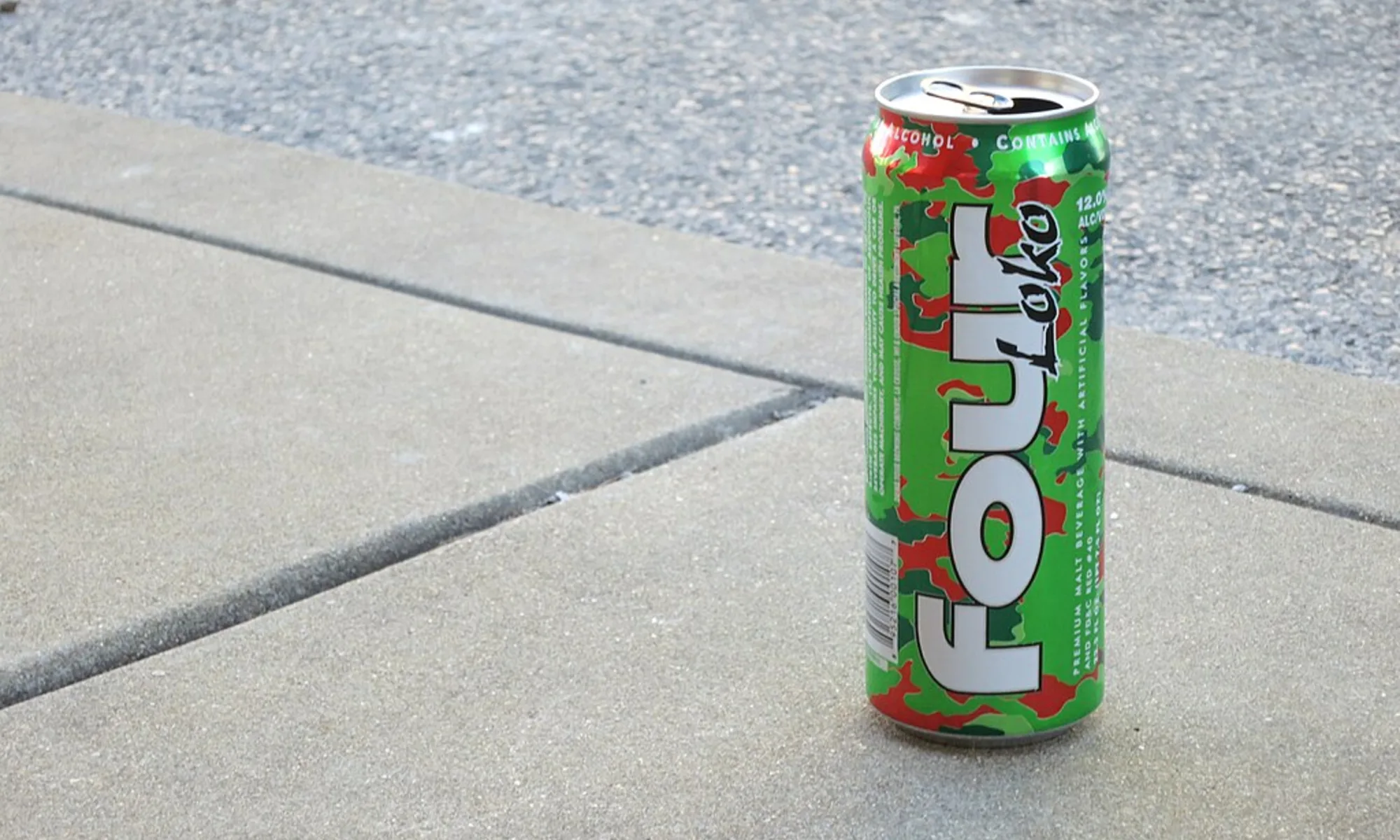
- Neon can design with bold branding
- Sweet taste that masked the alcohol flavor
- Marketing targeted young adults (18-25)
The Dangerous Combination
What made Four Loko problematic wasn’t any single ingredient—it was the combination:
How it worked:
- High alcohol content in one can = rapid intoxication risk
- Caffeine + guarana + taurine mask intoxication signals
- Consumer feels awake/energized despite being drunk
- Brain doesn’t register “I’m too intoxicated” → drinks more
- Results: dangerous blood alcohol levels, risky behavior, medical emergencies
The scientific issue:
- Alcohol = CNS depressant (makes you feel tired/drunk)
- Caffeine/guarana = CNS stimulants (makes you feel awake/alert)
- Together = “wide-awake drunk” effect = deceptive intoxication
- Person drinks more because they don’t feel drunk
- By the time effects kick in, BAC is dangerously high
Why People Loved It
Despite the risks, Four Loko became wildly popular:
- ✅ All-in-one package: Energy + alcohol in one can (no mixing drinks)
- ✅ Cheap: ~$2-3 per can for hours of effects
- ✅ Convenient: Portable, no mixing required
- ✅ Easy to drink: Fruity flavors disguised alcohol taste
- ✅ Status symbol: Bright cans, bold branding, “party essential” image
- ✅ Potent effects: Small can, big impact
- ✅ Novelty: New product category, viral on college campuses
Why Four Loko Became So Popular (2005-2010)
The Perfect Storm
Four Loko’s rise wasn’t accidental—it hit at the intersection of multiple cultural and market trends:
1. Energy Drink Culture Was Exploding
- Red Bull, Monster, 5-Hour Energy dominated late 2000s
- Young adults obsessed with “performance enhancers”
- Energy drinks positioned as cool, edgy, extreme
- Four Loko capitalized on this trend
2. Flavored Malt Beverages Were Mainstream
- Smirnoff Ice, Bacardi Breezer, Mike’s Hard Lemonade were popular
- Alcopops appealed to younger drinkers (sweeter, easier to drink)
- Regulatory environment allowed experimentation
- Four Loko represented the “extreme” version of this category
3. College Party Culture Was Peak
- Social media amplified drinking culture
- Memes and nicknames went viral (“blackout in a can”)
- Word-of-mouth spread quickly through campuses
- Party-before-consequences mindset dominated
4. Marketing Was Aggressive
- Bright, eye-catching neon can design
- Flavors with fun names (Watermelon, Fruit Punch, Blue Raspberry)
- Social media marketing to young adults
- No regulatory guardrails existed yet
5. Price-to-Effect Ratio Was Unbeatable
- Single can delivered hours of effects
- Cheaper than bars or multiple drinks
- Pre-game staple for parties
- Easy calculation: “One Four Loko = night out”
The Viral Spread
Key moments in Four Loko’s rise:
- 2005-2008: Gradual expansion, mostly on college campuses
- 2008-2009: Viral social media moment; “blackout in a can” meme gains traction
- 2009-2010: National news coverage (not all positive)
- Mid-2010: Sales peak; brand becomes household name
- Late 2010: FDA warnings → brand crashes
Cultural impact at its peak:
- Recognized brand nationwide
- Numerous party stories and incidents
- Regulatory attention intensifies
- Campus bans begin
The Incidents That Triggered the Ban
What Went Wrong
As Four Loko sales exploded, so did emergency room visits, hospitalizations, and public health concerns. The pattern became impossible to ignore:
Notable Incidents & Red Flags:
2010 Campus Incidents:
- Washington State University: Multiple hospitalizations at parties where Four Loko was served
- Ramapo College (NJ): Band members hospitalized after consuming Four Loko
- University of Rhode Island: Campus-wide incidents prompting Four Loko ban
- Multiple colleges: Rapid spread of similar incidents across U.S.
What Made These Incidents Serious:
- Not isolated incidents: Pattern across multiple campuses
- Severe outcomes: Hospitalizations, emergency interventions needed
- Medical presentations: Dangerous blood alcohol levels despite consumers feeling alert
- Age group: College-age drinkers (18-25) particularly vulnerable
Local Government Response:
- Washington State: Proposed ban of caffeinated alcohol
- New York: State lawmakers called for restrictions
- California, other states: Began evaluating regulations
- Cities & municipalities: Some locally banned sales
Campus Responses:
- University of Washington, UC system, Michigan: Banned Four Loko from campus
- Retail restrictions: Some stores voluntarily pulled product or limited sales
- Public awareness campaigns: Universities warned about dangers
Why These Incidents Mattered
The incidents weren’t just about individual bad decisions—they revealed a systemic public health problem:
- Deceptive intoxication: People genuinely didn’t realize how drunk they were
- Rapid consumption: Easy-to-drink format encouraged quick consumption
- Medical complications: Stimulants interfered with body’s natural warnings
- Vulnerable population: College students still developing impulse control
- No warning system: People couldn’t rely on feeling drunk to stop drinking
The FDA Steps In: November 2010
The Regulatory Moment
November 2010 = the turning point. The FDA took action.
What Happened:
- November 2010: FDA sent warning letters to manufacturers of caffeinated alcoholic beverages
- Primary target: Four Loko (but also Joose, Phusion Projects)
- Core message: Adding caffeine to alcoholic beverages is “not generally recognized as safe”
What the FDA Said:
“The addition of caffeine to these alcoholic beverages is not permitted and we consider such additions to be unsafe.”
The FDA’s Concerns:
- Masking intoxication: Caffeine blocks natural drunk signals
- Encouraging overconsumption: Makes people drink more than they would normally
- Public health risk: Particularly for younger/developing brains
- No safe level established: No way to determine “safe” caffeine-to-alcohol ratio
What Happened Next
Within Weeks:
- Four Loko reformulated (removed caffeine, guarana, taurine)
- Old inventory cleared from shelves
- Marketing shifted: From “energy drink meets alcohol” to “flavored malt beverage”
- Regulatory compliance: Companies moved quickly to avoid federal action
Timeline:
- Nov 2010: FDA warning letters issued
- Late Nov 2010: Manufacturers announce reformulation
- Dec 2010: New Four Loko formula launched (non-caffeinated)
- Jan 2011: Old formula completely phased out
- 2011-present: Non-caffeinated version continues
Important Note: This wasn’t a full ban on Four Loko or the brand. It was a ban on adding caffeine/guarana/taurine to alcoholic beverages. The product could continue—just without stimulants.
Four Loko Today (2025): What Changed
The Reformulation
Post-November 2010, Four Loko became:
What Stayed:
- ✅ Bright, colorful can design
- ✅ Fruity flavors (Watermelon, Fruit Punch, etc.)
- ✅ Malt beverage base
- ✅ Single large-can format
- ✅ Brand name and market position
What Disappeared:
- ❌ Caffeine
- ❌ Guarana
- ❌ Taurine
- ❌ Any stimulant additives
- ❌ “Energy drink meets alcohol” positioning
Current Formula:
- Flavored malt beverage (FMB)
- No caffeine or stimulants
- Higher alcohol content (to maintain appeal): 12%+ ABV in most markets; some regions allow 10-12% variants
- Sweet fruity flavors (same as original)
- Warning labels: More prominent responsible-drinking messages
Where to Find It Today
Current Availability (2025):
- ✅ Still sold at most major retailers (Walmart, Target, grocery stores)
- ✅ Shelf placement changed: FMB section (not energy drink aisle)
- ✅ Subject to local/state alcohol regulations
- ✅ Some states restrict ABV levels
- ✅ Age verification required (21+)
Market Position:
- No longer controversial or widely memed
- Competes with other high-ABV FMBs (Bud Light Platinum, Natural Ice, etc.)
- Occasional limited-edition flavors to maintain novelty
- Much lower profile than peak 2008-2010
Does It “Hit the Same”?
Short answer: No, fundamentally different.
Without stimulants:
- No “wide-awake drunk” effect
- You feel intoxicated like any other alcoholic beverage
- Natural drunk signals work: You feel tired/woozy as BAC rises
- Speed of consumption matters more: High ABV in one can still allows rapid intoxication
- Safer framework: Body’s natural warnings system functions normally
Consumer feedback:
- Some longtime fans say it’s “not the same”
- Others prefer it for safety reasons
- Mostly anonymous/nostalgic discussion (“remember when Four Loko hit different?”)
- Modern consumers often don’t know about original formula
The Cultural Legacy & Lessons
Why Four Loko Mattered
Four Loko became a cultural phenomenon that exposed gaps in beverage regulation and sparked national conversations:
1. Changed How We Think About Alcohol + Energy
- Before: No regulatory framework for mixing alcohol + stimulants
- After: FDA guidance made clear this combination is unsafe
- Impact: Regulatory precedent for similar products
2. Revealed Public Health Blind Spots
- Marketing to young people with intoxication-masking products
- Loopholes in alcohol advertising rules
- Need for better consumer education
3. Became a Cultural Touchstone
- Meme status: “Blackout in a can” became internet shorthand
- Party folklore: Stories and legends about Four Loko adventures
- Generational marker: 2010s college culture associated with it
- Lives on as nostalgia: People reminisce about “those days”
4. Showed How Brands Can Survive Controversy
- Four Loko didn’t disappear completely
- Reformulated and repositioned successfully
- Proves brands can adapt to regulation
- Still exists quietly, 15 years later
Bottom Line
The original Four Loko is gone. Its caffeinated formula represented a unique moment in consumer culture—the last gasp of unregulated “everything goes” beverage innovation.
The brand lives on, but as something mundane: just another high-ABV flavored malt beverage. The danger is gone, the excitement is gone, and the regulatory framework is now clear.
The legacy: A cautionary tale about how market pressure + youth marketing + regulatory gaps = public health crisis—and how quickly regulators can act when the danger becomes undeniable.
Frequently Asked Questions
Was Four Loko completely banned?
No. The caffeinated formula is no longer sold in the U.S., but Four Loko the brand still exists as a non-caffeinated beverage. The FDA banned adding caffeine and stimulants to alcoholic beverages—not the product itself.
Why did the FDA ban Four Loko?
The FDA banned adding caffeine to alcoholic beverages because the combination masks intoxication, encouraging people to drink more than intended. This creates dangerous blood alcohol levels without warning signals.
When exactly did Four Loko change?
November 2010. The FDA issued warning letters in November 2010, and Four Loko reformulated and relaunched without caffeine within weeks. By January 2011, the original formula was completely phased out.
Can you still buy Four Loko today?
Yes, Four Loko is still available in 2025 as a non-caffeinated flavored malt beverage. It’s sold at most major retailers where alcohol is available, subject to local laws and age verification (21+).
Is Four Loko coming back with caffeine?
No public announcements suggest the original formula will return. The FDA guidance against caffeinated alcohol remains in effect, and the brand seems content with its current non-caffeinated position.
What made the original Four Loko so dangerous?
The combination of high alcohol content (23.5 oz can) + caffeine/guarana/taurine created a “wide-awake drunk” effect. People felt alert and energized despite being dangerously intoxicated, which encouraged overconsumption.
How much alcohol did original Four Loko have?
The original formula had 12% ABV or higher (depending on variant and market), which meant a single 23.5-oz can contained roughly 3-4 standard drinks worth of alcohol.
Were there other caffeinated alcohol drinks like Four Loko?
Yes. Joose, Spike Hardcore Energy, and similar products also mixed alcohol with caffeine. The FDA warning covered all manufacturers, so they all reformulated in 2010-2011.
Why didn’t Four Loko just switch to caffeine from another source?
The FDA warning was about any caffeine or stimulant addition to alcoholic beverages—not just one source. Switching guarana for caffeine wouldn’t solve the fundamental safety concern.
Do people still talk about Four Loko?
Yes, mostly nostalgically. “Remember when Four Loko…” is a common refrain among millennials who consumed it in college. Online discussion tends to be humorous/legendary rather than serious.
Summary
What happened to Four Loko?
The short answer:
- ❌ Original formula (2005-2010): Alcohol + caffeine + stimulants
- 🛑 November 2010: FDA banned caffeinated alcohol
- ✅ Current version (2025): Non-caffeinated flavored malt beverage
- 📊 Result: Brand survived through reformulation
Key takeaways:
- The dangerous original is completely gone
- The brand still exists but without the controversy
- It’s now just another high-ABV flavored malt beverage
- The regulatory framework became much clearer
- Public health concerns were validated by FDA action
The legacy: Four Loko proves that when a product becomes a genuine public health risk, regulators will act—and brands that adapt can survive, even if stripped of what made them famous.
Related Articles:
- Discontinued Energy Drinks from the 2000s
- FDA Banned Foods & Drinks in America
- The Rise and Fall of Extreme Beverages
Last updated: January 2025