10 Discontinued Drinks from the 90s We Still Miss (And Where They Went)
Surge. Crystal Pepsi. Orbitz. The 90s had the most experimental beverage culture in American history, then it all vanished. Here is what actually happened to 10 cult favorites.

By Vanished Brands Research Desk
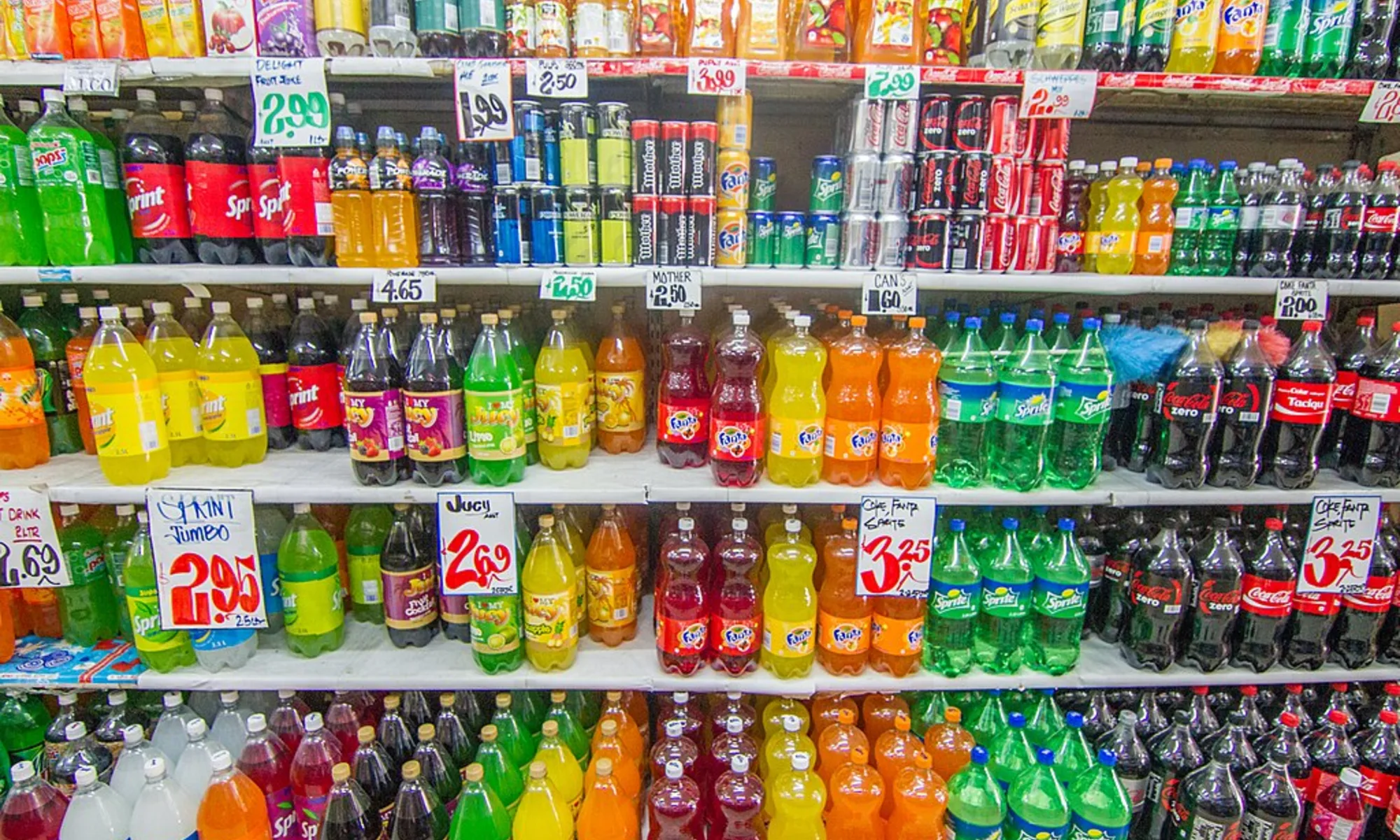
The 1990s were full of drink ideas that felt bold, strange, and sometimes completely unnecessary. That was part of the fun.
Big soda companies were chasing the next big hit. They tried clear colas, high-caffeine citrus sodas, bottled smoothie drinks, premium glass-bottle waters, and flavor concepts that would never make it through a modern product meeting. Some of these drinks were genuinely ahead of their time. Others were one-time novelties that people mostly remember because they looked weird on a shelf.
One thing a lot of nostalgia lists miss is that “discontinued” does not always mean one clean ending. Some of these drinks came back later as limited runs. Some survived in other countries. Some kept a cult following long after their original run ended.
Here are 10 discontinued drinks from the 1990s people still talk about and what actually happened to them.
Quick Jump
- 1. Surge
- 2. Crystal Pepsi
- 3. Orbitz
- 4. Snapple Elements
- 5. Fruitopia
- 6. OK Soda
- 7. Clearly Canadian
- 8. Jolt Cola
- 9. Whipper Snapple
- 10. Hi-C Ecto Cooler
- Why the 90s produced so many weird drinks
- FAQ
1. Surge
Surge was Coca-Cola’s answer to Mountain Dew.
It was loud, heavily marketed, and aimed straight at teenagers who wanted something high-energy and a little chaotic. For a while, it worked. Surge built a real fan base and became one of the more memorable sodas of the late 1990s.
The original run ended in the early 2000s, but that was not the end of the story. Fans kept pushing for its return, and Coca-Cola eventually brought it back as a nostalgia product. That is one reason Surge is still talked about differently from a lot of other 90s drinks. It did not just disappear. It became one of the clearest examples of a fan-led revival.
Why people still remember it:
- strong late-90s identity
- citrus flavor with a lot of attitude
- one of the few discontinued sodas that actually got a real comeback
2. Crystal Pepsi
Crystal Pepsi is probably the most famous “what were they thinking?” drink of the decade.
It launched during the clear-product craze, when companies were trying to make products look cleaner, lighter, and more modern. The problem was simple: people expected something new, but what they got was a clear version of a familiar cola.
That mismatch mattered. The drink got attention, but attention is not the same as repeat buying. People tried it because it looked different. Most did not keep buying it.
Crystal Pepsi has come back a few times as a nostalgia release, which tells you a lot about what it really is. People are curious about it. They love remembering it. That is not quite the same as wanting it back forever.
Why people still remember it:
- one of the most famous novelty drinks ever
- tied perfectly to early-90s culture
- a great example of curiosity beating long-term demand
3. Orbitz
Orbitz may be the most visually strange mainstream drink ever sold in the United States.
It was a fruit-flavored beverage with floating edible spheres suspended in the liquid. The bottle looked like a science project or a lava lamp, which was exactly why people noticed it.
The problem was that the visual experience and the drinking experience did not match. Looking at Orbitz was fun. Drinking it was a lot less appealing for many people.
That is why Orbitz became a collector item instead of a lasting brand. It was memorable, but not enjoyable enough to turn first-time buyers into repeat customers.
Why people still remember it:
- instantly recognizable look
- one of the weirdest shelf products of the decade
- a perfect example of novelty outrunning taste
4. Snapple Elements
Snapple Elements is one of the most requested drink revivals from the 1990s.
Rain, Sun, Fire, and Earth did not just stand out because of the flavors. The bottles mattered too. The wide-mouth glass bottles looked special, and people reused them long after the drinks were gone.
A lot of websites say the line died because the bottles did not fit standard vending machines. That may have played some role, but the stronger and more careful explanation is that Elements was a more unusual, more expensive, less standard line than core Snapple. Those are usually the kinds of products companies cut first when they simplify a lineup.
What made Elements different is also what made it harder to keep around.
Why people still remember it:
- unusual flavors
- collectible bottles
- one of the clearest examples of 90s drink design nostalgia
5. Fruitopia
Fruitopia was Coca-Cola’s attempt to capture the same kind of energy that made Snapple feel fresh in the 1990s.
The branding was colorful, dreamy, and very of its time. For a while, it worked. Fruitopia became a familiar sight in school cafeterias, convenience stores, and vending machines.
But Fruitopia is one of those drinks that people often misunderstand. It was discontinued in the United States, but it did not disappear everywhere. The brand survived in other countries, which is an important detail many nostalgia articles skip.
That makes Fruitopia less of a total collapse story and more of a regional survival story.
Why people still remember it:
- strong 90s branding
- school and convenience-store nostalgia
- one of the clearest examples of a U.S. discontinued drink that lived on elsewhere
6. OK Soda
OK Soda is one of the strangest brand experiments Coca-Cola ever tried.
It was aimed at Gen X and built around irony, indifference, and anti-marketing. That sounds normal now, but it was unusual for a major soda brand at the time.
The drink itself was never really the full point. The concept was the product. That made OK Soda memorable, but it also made it hard to scale. It stayed limited, never became a broad national hit, and quickly turned into a case study in brand experimentation.
This is one of the most interesting overlooked parts of 90s beverage history: some drinks were not just trying to sell flavor. They were trying to sell a worldview.
Why people still remember it:
- one of the boldest branding experiments of the decade
- tied directly to Gen X culture
- more interesting as an idea than as a drink
7. Clearly Canadian
Clearly Canadian felt more sophisticated than a lot of other drinks from the era.
It came in glass bottles, had a cleaner image, and sat somewhere between soda and premium flavored water before that category really took over. In that way, it was early.
That is part of what makes its story interesting. Clearly Canadian did not just fail and vanish. It lost scale, faded from everyday U.S. shelves, and later came back through a fan-driven crowdfunding-style revival.
That puts it in a different category from drinks that died and stayed dead. Clearly Canadian proved there was still demand, just not enough to easily recreate its full old presence.
Why people still remember it:
- premium-feeling glass bottle
- felt ahead of its time
- one of the clearest nostalgia brands to actually get revived
8. Jolt Cola
Jolt Cola started before the 1990s, but the 90s are when it became a real cultural symbol.
It was the drink people associated with all-night studying, early gaming culture, and the idea of caffeine as identity. In a lot of ways, Jolt was the bridge between old-school soda and the energy drinks that came later.
That is an important point many articles miss. Jolt was not just a discontinued cola. It helped point toward a whole category that later replaced it.
The brand has had scattered revivals and attempted returns, but what people usually mean when they miss Jolt is the original cultural role it played, not just the product name.
Why people still remember it:
- felt like the prehistory of energy drinks
- tied to students, gamers, and late-night culture
- culturally bigger than its later retail footprint
9. Whipper Snapple
Whipper Snapple was Snapple’s smoothie-style line.
It was thicker and more filling than a normal juice drink, which made it stand out. It also made it harder to fit naturally into the rest of the Snapple lineup.
This is one of the best examples of a product that may have been a little early. Bottled smoothie drinks became a major category later, but Whipper Snapple did not stick around long enough to benefit from that shift.
That is part of why people still bring it up. It feels like a category preview that arrived before the market was fully ready.
Why people still remember it:
- smoothie-like texture
- unusual for Snapple
- feels like an early version of a later trend
10. Hi-C Ecto Cooler
Hi-C Ecto Cooler began as a tie-in, but it outlasted the promotional idea behind it.
That is what makes it worth including here even though it launched before the 1990s. For many people, the drink belongs emotionally to 90s childhood. It lasted long enough to become more than just a Ghostbusters product.
That is the part many shorter lists overlook. Ecto Cooler was supposed to be temporary, but the flavor was strong enough and the branding was memorable enough that it stayed around for years. When it came back in 2016, the response showed how much affection people still had for it.
It is one of the best examples of a promotional drink becoming a real nostalgia brand.
Why people still remember it:
- strong childhood association
- bright branding and flavor memory
- one of the most successful tie-in drinks ever made
Why the 90s produced so many weird drinks
The 1990s were unusually good at creating drinks people would never forget.
Part of that was economic. Big beverage companies were willing to spend on experiments.
Part of it was cultural. Younger consumers mattered, and companies were trying hard to impress them.
And part of it was timing. The market was not yet as locked in as it is now. There was more room for weird ideas to get national distribution, even if they only lasted a year or two.
What makes these drinks interesting now is that they did not all fail for the same reason:
- some were too strange to earn repeat buyers
- some were ahead of their time
- some were expensive or awkward to scale
- some never got the second chance they needed
- some actually did come back, but only as nostalgia products
That last point is easy to miss. A lot of 90s drinks are not simply dead. They now live in a strange middle ground between collector culture, limited revivals, and internet memory.
Frequently Asked Questions
Why did so many 90s drinks get discontinued?
Because a lot of them sold on novelty first, and novelty is hard to turn into long-term demand. Others got squeezed by lineup cuts, changing tastes, or distribution problems.
Did Surge ever come back?
Yes. Surge returned after a fan campaign and became one of the clearest nostalgia-drink revivals.
Is Crystal Pepsi still around?
Not as a regular product. It comes back from time to time as a limited nostalgia release.
Why does Fruitopia still exist in some places but not the U.S.?
Because a drink can fail in one market and survive in another. Fruitopia is one of the best examples of that.
Are original Orbitz bottles worth anything?
Yes, mainly as collectibles. Their value comes from how strange and recognizable the product was, not from being drinkable now.
What makes these drinks so memorable?
Most of them were tied to a very specific moment in 1990s culture. People do not just remember the flavor. They remember the bottle, the ad, the store cooler, and the feeling of discovering something weird for the first time.
Related reading: 15 Discontinued Snapple Flavors We Still Miss