What Happened to Skip-It? The Ankle Toy That Owned the 90s
Skip-It sold over 30 million units in the 90s then quietly wound down. Here is the full story of how the ankle-hopping craze took over playgrounds and what eventually replaced it.

By Vanished Brands Research Desk
TL;DR: Skip-It was a huge hit because it was simple and genuinely competitive. It ran its course as kids’ entertainment shifted toward screens, and the toy wound down gradually rather than ending with a bang.
Quick Answer: Skip-It faded because childhood entertainment changed around it. It was built for a time when simple outdoor toys could become huge hits, and for a few wonderful years, it absolutely was one.
If you grew up in the late 1980s or early 1990s, you probably still have the jingle somewhere in your brain. “Skip-It, Skip-It. The very best thing of all, there’s a counter on this ball.” It was one of those ads that stuck because the toy itself was easy to understand and surprisingly fun.
For a few years, Skip-It felt like it was everywhere you went outside. Then it slowly faded as other things took its place.
Its story is a quiet one. No scandal, no dramatic recall. Just a toy that had a great run and then met a world that had moved on.
Quick Jump
- What was Skip-It?
- Why did Skip-It get so popular?
- What happened to Skip-It?
- What about safety concerns?
- Did Skip-It ever come back?
- Why do people still remember it?
- The real reason it faded
- FAQ: When was Skip-It discontinued?
- FAQ: How many Skip-Its were sold?
- FAQ: Was Skip-It ever recalled?
- FAQ: Can you still buy the original Skip-It?
- FAQ: Why did Skip-It stop being popular?
What Was Skip-It?
Skip-It was a simple toy with one genuinely clever idea.
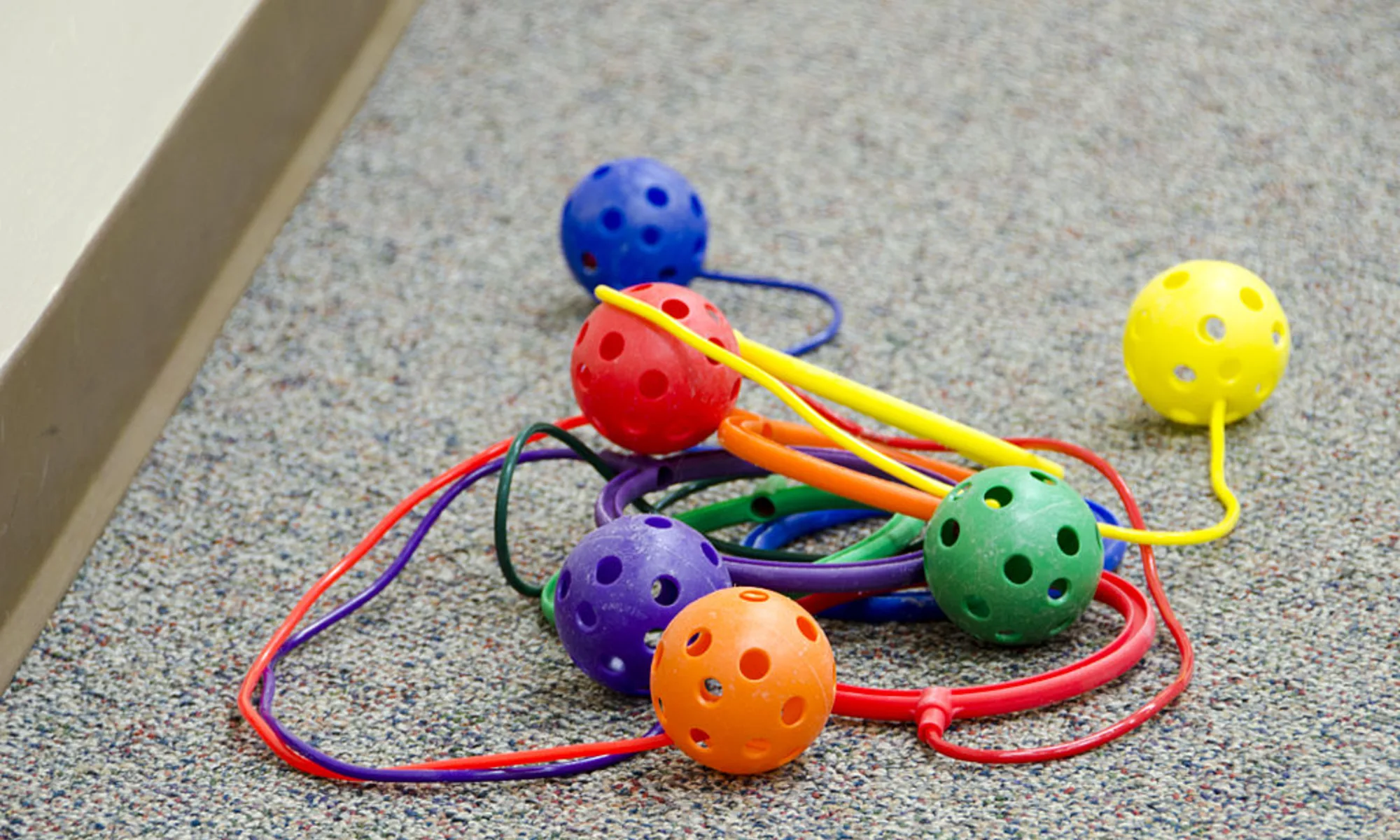
You slipped a plastic ring around one ankle. A ball on a cord spun around your leg. As it swung around, you hopped over it with your other foot and tried to keep the rhythm going.
What made Skip-It special was the counter built into the ball. That one small detail transformed a basic jumping activity into a real challenge. Kids were chasing a number, trying to beat their own score and starting over the second they missed.
That counter was the whole game. And it worked beautifully.
Why Did Skip-It Get So Popular?
Skip-It was easy to start and surprisingly hard to master.
It delivered a lot at once:
- movement
- repetition
- competition
- a personal score to chase
- something you could do solo or with a crowd watching
That combination was genuinely hard to beat.
Parents liked it because it got kids moving outside and ran on zero batteries. Kids liked it because every turn felt like it counted. For a toy with just a plastic ring and a ball on a string, it was more competitive than most outdoor toys had any right to be.
It also arrived at exactly the right moment. In the late 1980s and early 1990s, simple outdoor toys could still take over playgrounds and dominate holiday wish lists.
A widely repeated claim says Skip-It sold more than 30 million units during its peak years. Whether that exact figure is perfectly documented or not, the bigger picture is clear: Skip-It was one of the standout toy crazes of its era.
What Happened to Skip-It?
Skip-It wound down gradually as the world around it changed.
1. Kids spent more time indoors
By the mid-to-late 1990s, entertainment was moving inside. Video games became a bigger part of everyday life, and Skip-It, a toy that needed open space and physical effort, competed for the same hours in a different way than before.
That shift touched a lot of outdoor toys, but Skip-It was especially tied to driveway and sidewalk play.
2. The toy’s brilliant idea had one great form
Skip-It had one excellent concept, and it executed it well. But once kids hit their personal best and moved on, the experience stayed mostly the same from year to year.
The toy carried no characters, story, or natural expansion path. That kept it clean and uncomplicated, which was part of its charm, but also meant there was a ceiling on how long it could stay fresh.
3. Tiger and later Hasbro focused elsewhere
Tiger Electronics helped turn Skip-It into a household name, but toy companies are always looking at what comes next. When Hasbro acquired Tiger Electronics in 1998, Skip-It was still around, but bigger licensed properties and growing electronic toy lines attracted more investment and attention.
Skip-It stayed in the catalog for a while, but as a quieter presence.
4. It graduated to nostalgia
Skip-It faded the way a lot of beloved toys do, gradually and without a single moment you could point to. It moved from being a current toy to being something adults remembered fondly from childhood.
That is actually a kind of success, even if it means the toy itself has retired.
What About Safety Concerns?
The learning curve was real. The ring could knock your ankle, and the ball could clip your shin on a missed jump. That was part of figuring it out.
But bumps from learning to use a toy are very different from a product safety crisis. Skip-It’s wind-down has no recall or safety scandal attached to it. The bigger story is simply that kids’ habits changed over time.
Some parents or recess monitors may have found it noisy or awkward in tight spaces, fair enough, but that was never the driving force behind its decline.
Did Skip-It Ever Come Back?
It did get another shot. Hasbro released updated versions including Twister Rave Skip-It, which added lights and leaned into the idea of making the toy feel current again.
The updated version was a fun idea, but it arrived in a much more crowded entertainment landscape. Lights could freshen the look, though the market had shifted far enough that a light-up version pulled a different audience than the original had.
Vintage originals still turn up on resale sites, and generic ankle-skip toys appear from time to time. Those are nostalgia purchases, which says something warm about the toy’s staying power, even if the brand itself has stepped back.
Why People Still Remember It
Skip-It is easy to remember because it represents a very specific flavor of 90s childhood.
It brings back:
- sidewalks and driveways on a summer afternoon
- recess arguments about whether someone’s count was legit
- the jingle on repeat during Saturday morning cartoons
- the specific satisfaction of a new personal best
It was physical and just competitive enough to be addictive. That combination sticks.
There is also a funny thing that happens when adults try it again: it is much harder than they remember. The toy has stayed exactly the same. They have not. That is its own kind of nostalgia hit.
The Real Reason It Faded
Skip-It belonged to a particular moment in childhood, and it thrived inside it.
It was built for a time when:
- outdoor free play was a big part of kids’ daily routines
- simple physical toys could dominate holiday wish lists
- one smart feature, a counter on a ball, could turn a basic concept into a craze
As entertainment shifted toward screens and branded franchises, Skip-It lost the environment that had made it thrive.
That is what makes the story interesting. It went away on its own terms, a toy that had a great run and left behind a generation who still remember the jingle.
Frequently Asked Questions
When was Skip-It discontinued?
Skip-It faded gradually after the 1990s rather than ending on one specific date. Later revival versions appeared under Hasbro. Today the original branded Skip-It lives mostly as a nostalgia item.
How many Skip-Its were sold?
Skip-It sold in very large numbers during its peak years. A widely repeated claim says it sold more than 30 million units, though exact totals are not always clearly sourced. The safer takeaway is that Skip-It was one of the standout toy crazes of its era.
Was Skip-It ever recalled?
Skip-It’s story is a quiet wind-down, with no recall or safety crisis involved. It faded as kids’ entertainment habits shifted over time.
Can you still buy the original Skip-It?
Vintage originals still show up on resale sites, and generic ankle-skip toys appear from time to time. The original branded Skip-It is mostly a nostalgia item now.
Why did Skip-It stop being popular?
Kids’ entertainment shifted toward indoor and screen-based options, and Skip-It was built for open outdoor play. The toy reached its natural ceiling and the market moved on.