What Really Happened to RadioShack? The Death Spiral Nobody Saw Coming
RadioShack survived 94 years - then collapsed in back-to-back bankruptcy filings. Here's the chain of decisions that killed America's electronics store.

By Vanished Brands Research Desk
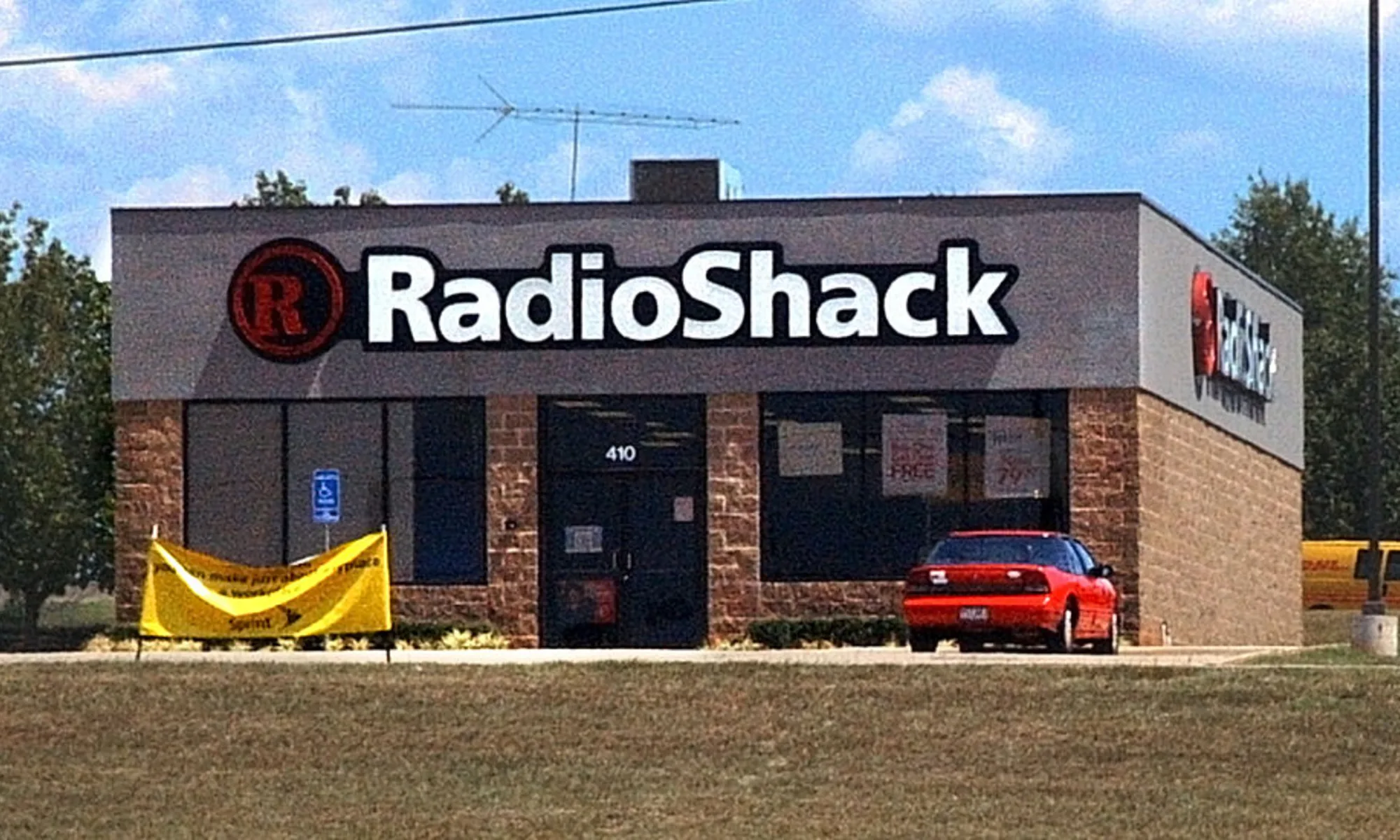
What Happened to RadioShack? The Quick Answer
RadioShack filed for bankruptcy in 2015 and again in 2017 after 94 years in business. The company waited six years too long to embrace e-commerce, abandoned the electronics expertise that made it special, and cycled through leadership that kept dismissing the warning signs. At its peak in the 1990s, RadioShack ran over 7,000 stores and brought in around $3 billion in annual revenue. By 2017, it was effectively gone, though the brand name still floats around today as a shell of itself.
Table of Contents
- When RadioShack Ruled Electronics Retail
- The Amazon Threat RadioShack Ignored
- The Wireless Phone Pivot Disaster
- The Bankruptcy Timeline
- Why RadioShack Really Failed
- Does RadioShack Still Exist?
When RadioShack Ruled the Electronics World, 1921 to the 1990s
Founded in 1921 in Boston as a ham radio supply store, RadioShack spent seven decades becoming America’s go-to spot for electronics.
RadioShack’s Golden Era
By the 1990s, RadioShack had over 7,000 stores nationwide and was pulling in around $3 billion in annual revenue. The company famously claimed that 90% of Americans lived within five minutes of one of their locations. That kind of density was almost unimaginable for a specialty retailer.
What Made RadioShack Special
Through the 1970s and 1980s, RadioShack was the destination for electronics enthusiasts. They sold personal computers before mainstream adoption took off. Their TRS-80 computer line competed directly with Apple and Commodore. They stocked thousands of electronic components that were essentially impossible to find anywhere else, and their printed catalogs doubled as reference guides for hobbyists.
The staff knew what they were talking about. Customers could walk in, describe what they were building, and get help. Engineers, hobbyists, and amateur radio operators treated RadioShack as essential. That expertise and that density of locations made the brand feel untouchable.
By 1990, RadioShack seemed invincible. But the conditions that would eventually undo the company were already forming.
The Amazon Threat RadioShack Ignored, 1994 to 2000
The Six-Year Delay
Amazon launched in 1994. RadioShack launched its online store in 2000. That six-year gap is widely considered the single biggest mistake in the company’s history.
Why RadioShack Held Off
According to coverage from the era, RadioShack’s leadership saw e-commerce as a threat to their own store network rather than an opportunity. The thinking was roughly: why would customers buy online when they could drive five minutes to a RadioShack? The answer, as it turned out, was that customers wanted to shop from home at midnight without getting in the car at all.
What Six Years of Waiting Cost
By the time RadioShack finally went online in 2000, Amazon had built a logistics operation that was already years ahead, Newegg had established itself as the electronics destination for online shoppers, and eBay had cornered the secondary market for electronics gear. Online competitors had six years of customer data, digital expertise, and operational infrastructure that RadioShack had no real path to catching up on.
Every year RadioShack waited, the gap widened.
The Wireless Phone Pivot That Destroyed RadioShack’s Identity
Facing declining component sales and struggling to compete online, RadioShack made another major bet: pivot hard into wireless phones.
The Wireless Transformation
By 2008, a typical RadioShack had become half phone displays. Sprint, Verizon, and AT&T contracts filled the floor space where components used to live. Staff shifted from electronics enthusiasts to commission-driven phone salespeople.
On paper it made some sense. The wireless market was booming. Phone contracts came with decent margins. Carrier partnerships brought traffic. But the consequences were severe.
The knowledgeable staff that had defined the RadioShack experience disappeared, replaced by people whose job was to sell a phone plan. The hobbyists and engineers who had been loyal customers for decades found their components shoved into dusty drawers in the back. They stopped coming.
And the customers RadioShack was now chasing had plenty of better options. Best Buy had a wider selection. Carrier stores had deeper expertise. Online retailers had better prices. RadioShack had given up the one thing that made it worth going to, and it had nothing distinctive to offer in its place.
Wireless revenue kept the company alive for a few more years, but it came at the cost of the brand’s identity. When smartphone sales eventually shifted online and to carrier stores, RadioShack had no foundation left to stand on.
The Marketing Desperation
As RadioShack spiraled, its marketing took some memorable swings.
Super Bowl 2014: “The 80s Called”
RadioShack aired a Super Bowl commercial featuring 1980s icons including Hulk Hogan, Alf, and Erik Estrada raiding a RadioShack store. The tagline was “The 80s called. They want their store back.” The intent was self-aware humor about their dated image. The effect was a very public admission of irrelevance, aired in front of a hundred million people.
Shaquille O’Neal as Chief Surprise Officer
Around the same period, RadioShack brought in Shaquille O’Neal as “Chief Surprise Officer.” The celebrity partnership was meant to generate buzz. It mostly generated jokes. These were the moves of a company running out of real ideas.
The Leadership That Refused to Face Reality
The CEO Carousel
RadioShack went through a series of CEOs in its final years, each promising a turnaround that never came. Julian Day pushed the wireless strategy and oversaw store redesigns that pushed out core customers. James Gooch lasted under two years. Joseph Magnacca rebranded the company as “The Shack,” a change that solved nothing, and presided over the first bankruptcy filing.
Corporate Culture of Denial
Reports from inside the company described an organization that repeatedly dismissed bad news as temporary. Earnings calls from the period were notably optimistic right up until they weren’t. When competitors were thriving and RadioShack’s numbers kept dropping, the public explanation was often that the broader economy was to blame. The company had a structural problem, not a cyclical one, and treated it the other way around for years too long.
The Bankruptcy Timeline
First Filing: February 2015
RadioShack filed Chapter 11 in February 2015. General Wireless, a subsidiary of Standard General, acquired the company and attempted a turnaround. The plan involved partnering with Sprint to host Sprint stores inside RadioShack locations. It did not work.
Second Filing: March 2017
Two years later, RadioShack filed again. More than 1,000 stores closed immediately. Retail Ecommerce Ventures acquired the brand and intellectual property. Most of the physical presence was gone.
What Came After
Here is where things get strange. RadioShack still exists in some form. As of recent years, a few hundred franchise locations still carry the RadioShack name, operating independently under licensing agreements. The website sells products. The quality and inventory vary widely, and the exact ownership structure is not entirely clear to outside observers.
The brand is a zombie. Technically alive, but barely recognizable.
The 2022 Twitter Moment
RadioShack’s social media account briefly went viral for posting unusual content that had nothing to do with electronics retail. It was entertaining. It was not a business strategy.
What Really Killed RadioShack
RadioShack’s collapse was not one mistake. It was a sequence of them, compounding over time.
Arrogance about real estate. Having 7,000 convenient locations felt like an insurmountable advantage. It turned out that customers preferred shopping from home, and thousands of expensive leases became a liability rather than a moat.
The e-commerce delay. Six years without an online store gave competitors a head start in logistics, customer acquisition, and digital infrastructure that RadioShack never made up.
Abandoning its niche. RadioShack gave up being the best at something specific, stocking hard-to-find electronics components for people who actually knew what they needed, in order to compete in phone sales where it had no real edge.
Leadership denial. Each wave of executives minimized the severity of the situation until the window for recovery had closed.
Accumulated drift. No single decision was the final blow. It was the combination: missed opportunities, pivots that eroded the brand, and a culture that was slow to acknowledge how serious the situation was.
The Preventable Tragedy
RadioShack had real advantages going into the internet era. Brand recognition that was nearly universal. A loyal customer base of enthusiasts. A head start in electronics retail that most competitors would have envied. An early move into e-commerce might have made them the online destination for electronics components. A commitment to their niche might have built a thriving community around makers, engineers, and hobbyists. Instead they tried to compete in markets where they had no advantage, and lost the one market where they genuinely had one.
Does RadioShack Still Exist in 2024?
Technically yes. Practically, the company that people remember is gone.
Some franchise locations still operate under the RadioShack name, but quality and inventory vary so widely that they share little in common with the original stores. The website still sells products but has no particular focus or expertise. The brand carries name recognition among older customers and not much else.
RadioShack is now more of a business school case study than a functioning retailer. The story of what happened has become something people point to when discussing how established companies fail to adapt.
Lessons From RadioShack’s Collapse
1. A physical footprint is not a permanent advantage. Thousands of convenient stores felt like an unbeatable position. When customers shifted to online shopping, all those leases became overhead without the revenue to justify them.
2. Being the best at something specific is worth protecting. RadioShack gave up being the definitive source for electronics components to become a mediocre phone retailer. The expertise and loyalty they had built over decades could not be recovered once they walked away from it.
3. Nostalgia alone does not bring customers back. Brand recognition matters, but only if there is a compelling reason to actually show up. Familiarity fades quickly when the experience no longer delivers anything useful.
4. Delayed digital transformation has compounding costs. Every year RadioShack waited to go online, competitors got stronger. What might have been a manageable gap in 1996 became an insurmountable one by 2000.
5. Culture shapes customer experience more than strategy memos. The shift from knowledgeable enthusiasts to commission-driven salespeople changed the feel of every RadioShack location. Customers noticed, and many stopped coming.
The Final Verdict
RadioShack had decades of goodwill, a loyal customer base, and a genuinely unique position in the market. The collapse came from a combination of arrogance, delayed adaptation, a strategy that traded its core strength for short-term revenue, and leadership that consistently underestimated how serious the situation was.
The death spiral was slow and visible from the outside. For anyone who remembers what RadioShack was at its best, that is what makes it stick.
Frequently Asked Questions
When did RadioShack go out of business?
RadioShack filed for bankruptcy in February 2015, then again in March 2017. Most stores closed by 2017, though some franchise locations still operate under the RadioShack name.
Why did RadioShack fail?
RadioShack waited until 2000 to launch e-commerce, six years after Amazon, which gave online retailers an enormous head start. The company also abandoned its electronics expertise to chase wireless phone sales, which left it competing in a crowded market where it had no real advantage. Leadership consistently underestimated how serious the situation was.
How many RadioShack stores are left?
As of 2024, a few hundred locations claim RadioShack affiliation, mostly independent franchises. The exact number is unclear given the fragmented ownership structure.
Can you still shop at RadioShack?
Some physical stores exist as franchises, and RadioShack.com still operates. The selection, expertise, and consistency are unrecognizable from the original brand.
Who owns RadioShack now?
Retail Ecommerce Ventures acquired the RadioShack brand and intellectual property after the 2017 bankruptcy. Many franchise locations operate independently under licensing agreements.
What was RadioShack’s biggest mistake?
Waiting until 2000 to launch e-commerce is the decision most often cited. The six-year delay gave online competitors a head start in logistics, customer data, and digital expertise that RadioShack never closed.